





- About
-
Students
Total number of students:27300School
The University of Wrocław has a rich history of more than three centuries. Founded by Leopold I Habsburg the university evolved from a modest school run by Jesuits into one of the biggest academic institutions in Poland. At the beginning of the 19th century the university had five Faculties: philosophy, catholic theology, evangelical theology, law and medicine. Later it was expanded by numerous sections, laboratories and a natural museum, which exists until today.
After the Second World War a group of Polish professors, formerly from Lvov, started teaching and research activities at the University of Wrocław. Initially they created the Faculties of law and administration, arts, natural sciences, agriculture, veterinary, medicine, mathematics, physics and chemistry. Some of these Faculties were soon transformed into other universities.
Since the beginning of the 20th century, the University of Wrocław produced 9 Nobel Prize winners, such as Theodor Mommsen, Philipp Lenard, Eduard Buchner, Paul Ehrlich, Fritz Haber, Friedrich Bergius, Erwin Schrödinger, Otto Stern and Max Born.
Today, the first and foremost focus of The University of Wrocław is scientific research. Our scholars have numerous links with their fellow researchers from other higher education institutions in Poland and throughout the world. The success of our researchers has been recently recognized by Polish authorities, who significantly increased funding for both equipment and research at our University by 80% compared to previous years.
Like in most countries, in Poland the national quality assessment system is part of a national strategy for improving the quality of education. Every four years the Ministry of Education evaluates faculties of all Polish universities. Last year 9 out of 10 of our Faculties were qualified in the highest category and one was the second highest.
The Academic Incubator of Entrepreneurship is a new unit of the University of Wrocław designed to aid students in starting their own businesses by providing free entrepreneurial advice, organizing conferences, seminars, subsidizing selected investments and offering office space. The Academic Incubator of Entrepreneurship cooperates with the Wrocław Technology Park, a technological centre with laboratories, office space, conference centre and modern multimedia equipment. The objective of the Technology Park is to create conditions for the use of scientific and industrial potential of Wrocław and the region and to stimulate the advanced technologies industry. The University of Wrocław is proud to be one of its shareholders.
Today the University of Wrocław is the largest university in the region and teaches over 26,000 students and around 1300 doctoral students at 10 Faculties. 9000 students graduate from the University every year.
Why
- High quality of teaching and research in Polish and English languages
- Rich offer of courses taught in English language
- English and Polish language preparatory courses
- Exciting student life: International Students Orchestra, Football Team, Volunteer Group
- Multicultural city with wide range of employment opportunities
Facility
- High quality of teaching and research in Polish and English languages
- Rich offer of courses taught in English language
- English and Polish language preparatory courses
- Exciting student life: International Students Orchestra, Football Team, Volunteer Group
- Multicultural city with wide range of employment opportunities
Equipment
- computers
- projectors
- radio studio
- TV studio
- graphic programmes and equipment
- multimedia projectors with interactive whiteboards
- two computer laboratories
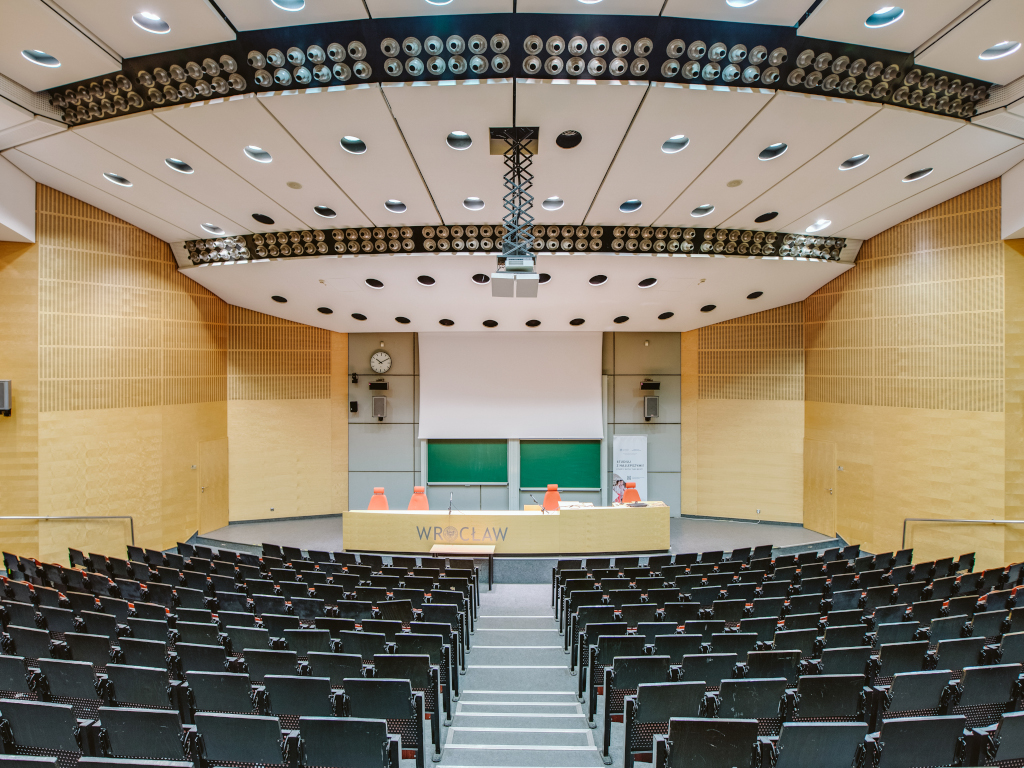
- modern classrooms
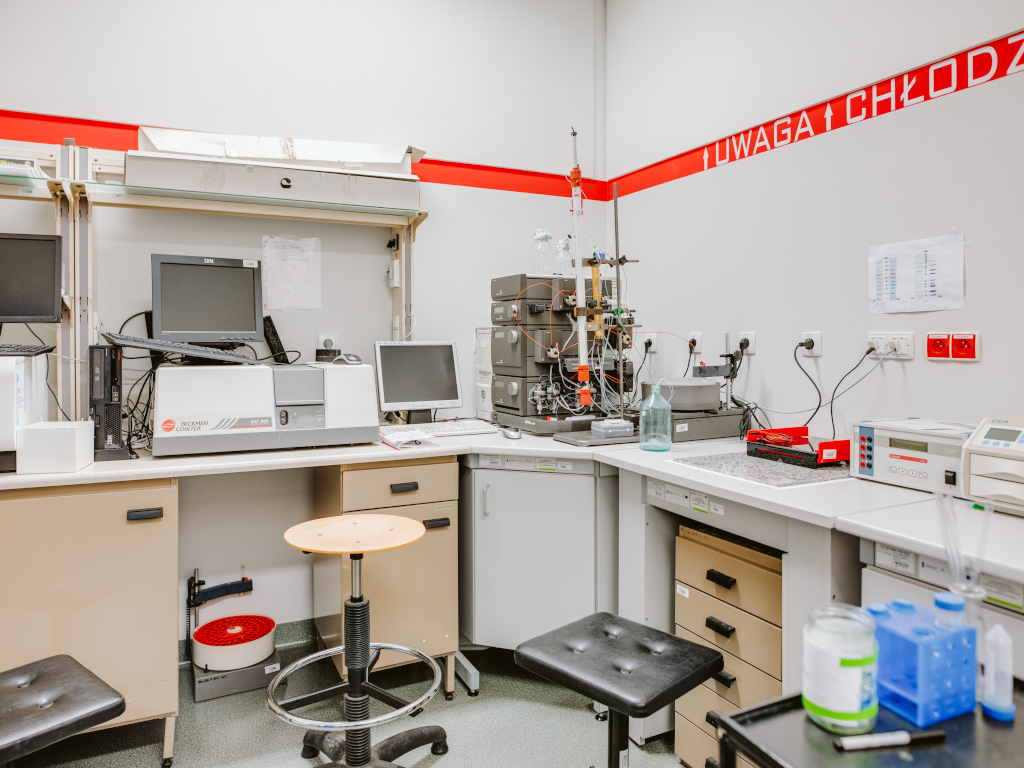
- teaching laboratories
- a generous amount of laboratory space for student-faculty research
Nationality mix
- Media
-
Media videos
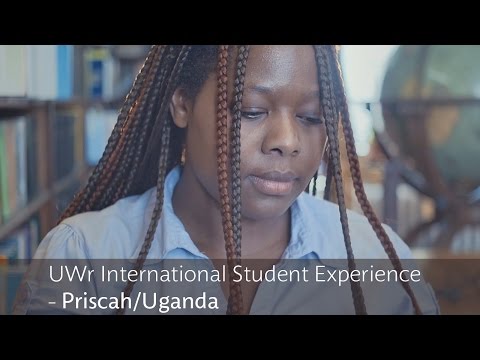
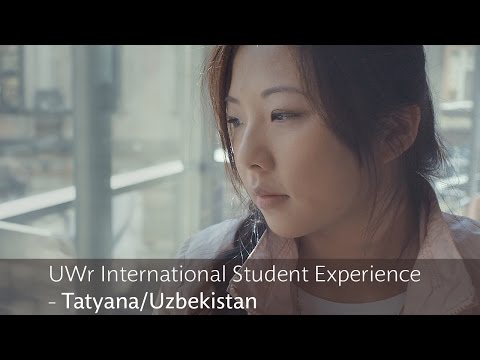
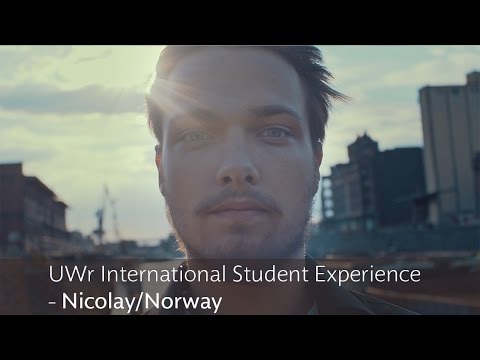
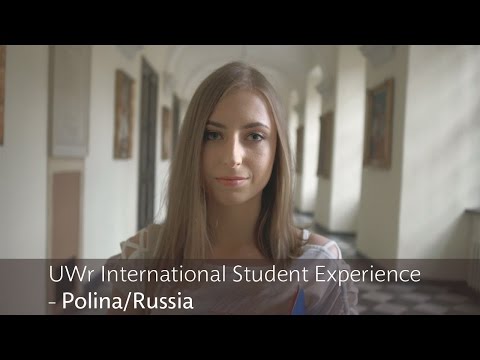
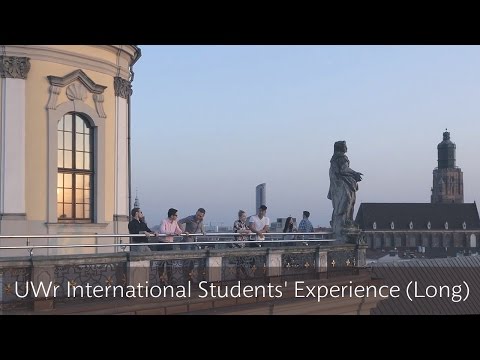
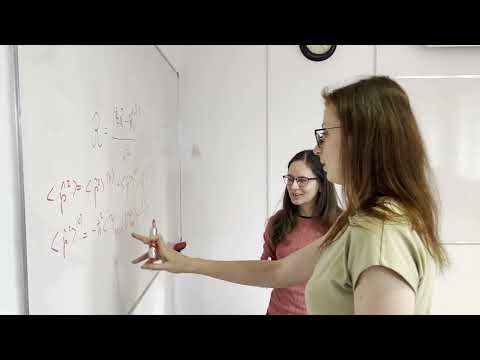
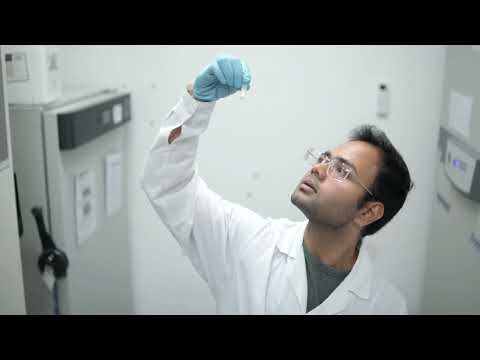
 VideoVideoVideoVideoVideoVideoVideoVideoVideoVideoVideoVideoVideoVideoVideo
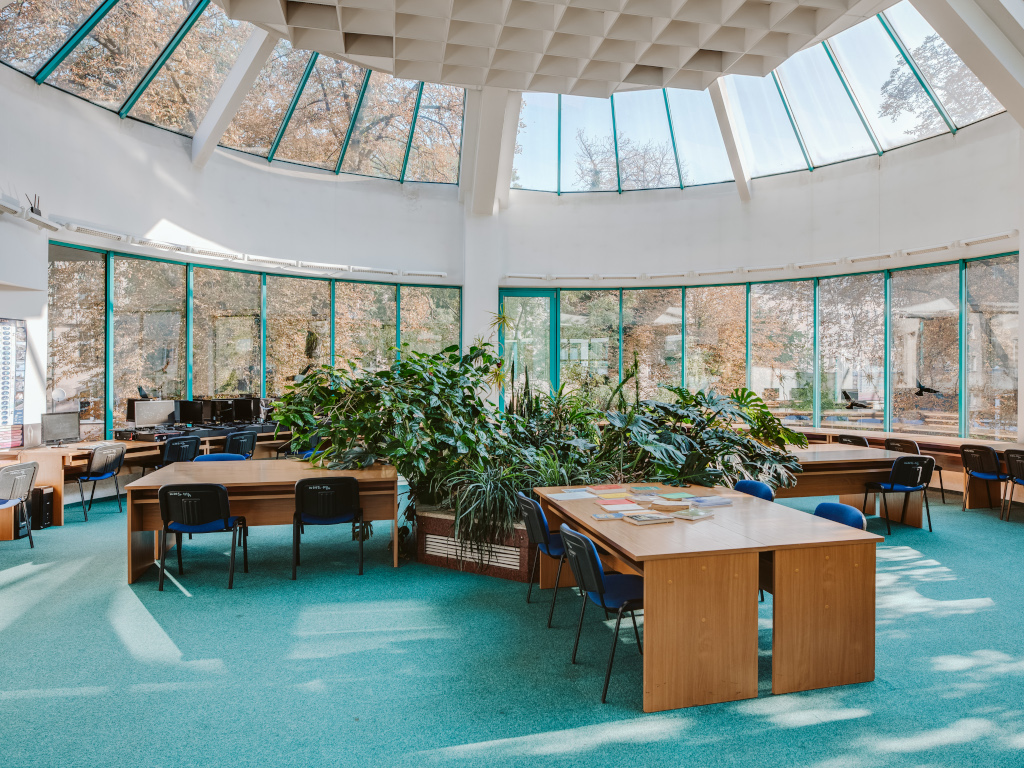
Media gallery
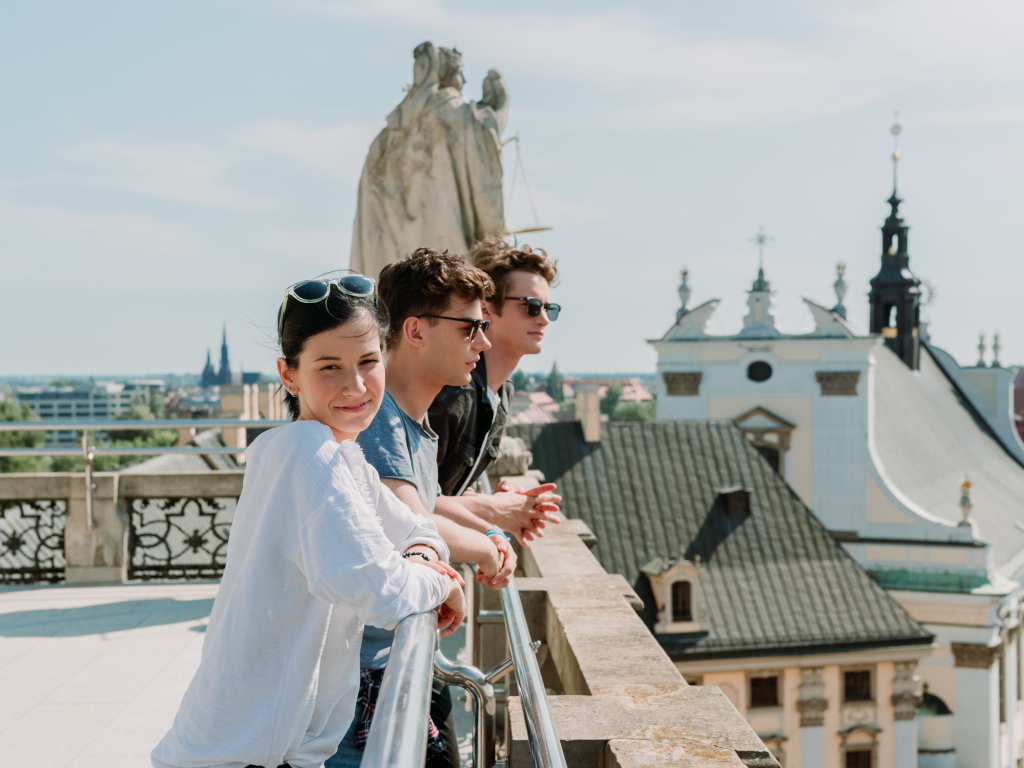
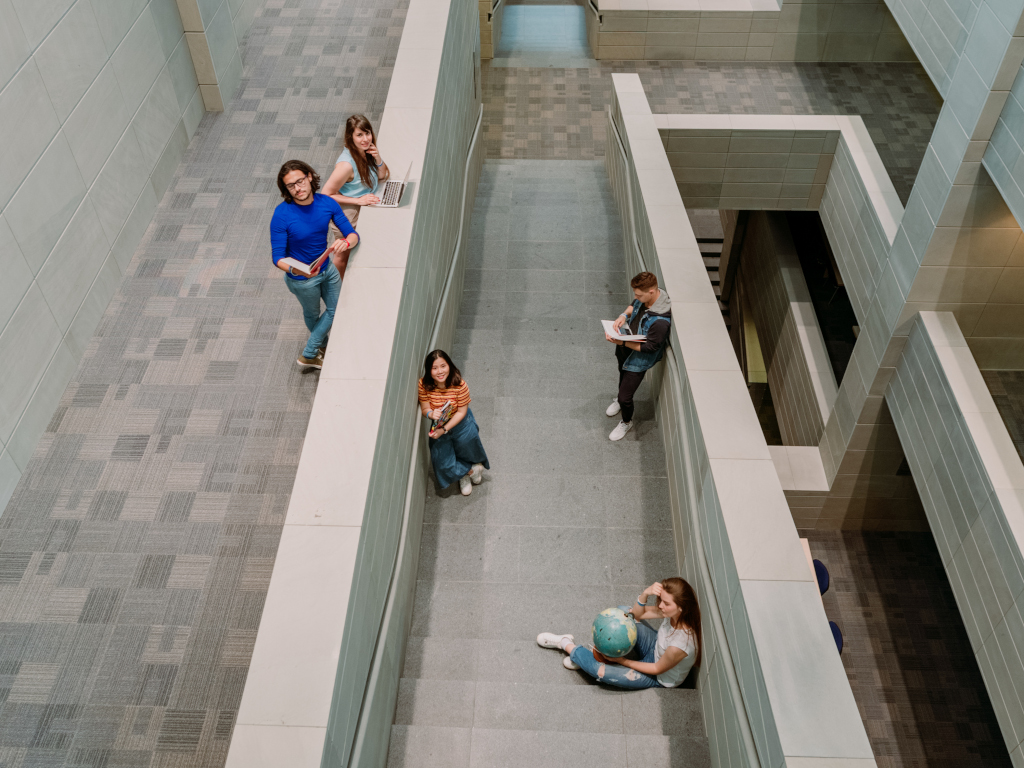


Social Media
- Location
-
Localization
Information
Wroclaw, Pl. Uniwersytecki 1
50-137 - Documents
-
Application documents available after login
- Specializations
-
Available specializations:
Similar courses in this city
-
Wroclaw Poland, MasterUniversity of Wroclaw
First Year €4,200Total duration 24 MONTH(S) -
Wroclaw Poland, BachelorUniversity of Wroclaw
First Year €3,750Total duration 36 MONTH(S) -
Wroclaw Poland, MasterUniversity of Wroclaw
First Year €3,750Total duration 24 MONTH(S) -
Wroclaw Poland, BachelorUniversity of Wroclaw
First Year €3,750Total duration 36 MONTH(S)



