
Think Poland
Study
in Poland / Europe

/

University of Wroclaw

Bachelor in Culture, Thought and Humanity in Poland, Wroclaw

The studies in the English-language Culture, Thought and Humanity bachelor's degree program introduce in-depth philosophical reflection on culture, revealing both the fundamental underlying structures and the related diverse dimensions and aspects of culture. This nature of the degree program makes it part of University of Wrocław mission and development strategy by emphasizing "the search for truth, the transmission of knowledge and the nurturing of culture", the formation of "open minds ... accepting diversity". The study of Culture, Thought and Humanity in particular pursues the area of openness and readiness for challenges, remaining a learning process that significantly and naturally develops an understanding of cultural diversity, and therefore forms attitudes of tolerance and respect for dignity. In two ways, they also remain "a meeting place for different views and cultures": both because of the subject matter of the studies themselves and because, as studies in English, they are aimed at candidates from different cultural areas. Studies implemented on the grounds of international cooperation, offering a palette of courses taught by teachers from both University of Wrocław and foreign centers (US, Carbondale), are characterized by a high standard of educational quality and allow for the acquisition of expert competencies not only in understanding the socio-cultural environment, but also in actively influencing and shaping this environment. They realize the range of values that constitute the synergy effect. they possess, however, due to the specifics of the discipline itself and the characteristics of this particular program, the value of interdisciplinarity characteristic.  The English-language study of Culture, Thought and Humanity conducts the didactic process in the context of international cooperation and surrounded by didacticians from different parts of the world. It makes possible to choose among the best of them and to direct studies to candidates from all over the world. One of the most important aspects of Culture, Thought and Humanity studies remains modern and international education.

The purpose of the Culture, Thought and Humanity is to impart advanced knowledge of ideas of the humanities and their influence on the process of cultural formation, their interrelationships, their presence in different cultures, their dynamics in the processes of cultural development. And also to impart knowledge on the use of these ideas for dialogue between cultures. The knowledge should be broad, covering the development of the main ideas, concepts and currents in humanities and philosophy and its sub-disciplines, especially philosophy of culture, social, cultural and philosophical anthropology and social and political thought - in particular, philosophical and psychological conceptions of man, the place of the "person between nature and culture," ways of understanding and defining culture, and criticism of culture. They should be able to think critically, engage in thoughtful debate, use interdisciplinary approaches (cultural anthropology, cultural psychology, sociology of culture). The main advantages of this type of education, is the creation, on the basis of the peculiarities of the way of its research characteristic of philosophy, an organized, comprehensive and interdisciplinary image of the study of culture, sensitive to changes within culture, the problem of intercultural dialogue, the peculiarities of cultural heritage, as well as value conflicts and social processes conditioned by them. The result of this knowledge should be the formation of a competent critical understanding, critical thinking and critical approach to contemporary civilization processes, as well as the ability to promote this knowledge in cultural institutions and foster in them constructive skills of co-creation, dialogue and conflict resolution. This could be used for employment in institutions related to education, media and the arts, but also in non-governmental organizations working at the intersection of cultures, such as those providing assistance to refugees or resolving conflicts between ethnic and religious minorities. The motto would thus be: “thinking for a change”. The idea, then, is to shape a person who understands his cultural and civilizational environment and is oriented towards creating and co-creating processes of dialogue, mutual recognition and understanding to improve the conditions for communication among people.


Porduct SKU : 9435555

First Year
First Year €3,750
Total duration 36 MONTH(S)
First Year €3,750
Total duration 36 MONTH(S)
See details Close details
You Receive
FreeMONTHS
Enrolment Fee
Materials Fee
First Year
Tuition Fee
Month(s)

Promotions

Enrolment Fee
Materials Fee
Free MONTH(S)
Month(s)2 + Free MONTH(S)
Micro Instalments
Special Price
Reduced tuition fee
Extras
Initial Payment
Generate a quote in one minute
  • Oszczędnie
    Free services
  • Szybko
    Quick consultation
  • Bezpiecznie
    Quality certificates
  • Kompleksowo
    On the market since 2009
  • Na miejscu
    In your country & in Poland
  • Kiedykolwiek
    Assistance after arrival
About

Students

Total number of students:
27300

School

LOGO

The University of Wrocław has a rich history of more than three centuries. Founded by Leopold I Habsburg the university evolved from a modest school run by Jesuits into one of the biggest academic institutions in Poland. At the beginning of the 19th century the university had five Faculties: philosophy, catholic theology, evangelical theology, law and medicine. Later it was expanded by numerous sections, laboratories and a natural museum, which exists until today.


After the Second World War a group of Polish professors, formerly from Lvov, started teaching and research activities at the University of Wrocław. Initially they created the Faculties of law and administration, arts, natural sciences, agriculture, veterinary, medicine, mathematics, physics and chemistry. Some of these Faculties were soon transformed into other universities.


Since the beginning of the 20th century, the University of Wrocław produced 9 Nobel Prize winners, such as Theodor Mommsen, Philipp Lenard, Eduard Buchner, Paul Ehrlich, Fritz Haber, Friedrich Bergius, Erwin Schrödinger, Otto Stern and Max Born.


Today, the first and foremost focus of The University of Wrocław is scientific research. Our scholars have numerous links with their fellow researchers from other higher education institutions in Poland and throughout the world. The success of our researchers has been recently recognized by Polish authorities, who significantly increased funding for both equipment and research at our University by 80% compared to previous years.


Like in most countries, in Poland the national quality assessment system is part of a national strategy for improving the quality of education. Every four years the Ministry of Education evaluates faculties of all Polish universities. Last year 9 out of 10 of our Faculties were qualified in the highest category and one was the second highest.


The Academic Incubator of Entrepreneurship is a new unit of the University of Wrocław designed to aid students in starting their own businesses by providing free entrepreneurial advice, organizing conferences, seminars, subsidizing selected investments and offering office space. The Academic Incubator of Entrepreneurship cooperates with the Wrocław Technology Park, a technological centre with laboratories, office space, conference centre and modern multimedia equipment. The objective of the Technology Park is to create conditions for the use of scientific and industrial potential of Wrocław and the region and to stimulate the advanced technologies industry. The University of Wrocław is proud to be one of its shareholders.


Today the University of Wrocław is the largest university in the region and teaches over 26,000 students and around 1300 doctoral students at 10 Faculties. 9000 students graduate from the University every year.

Dates

Course start

Why

  • High quality of teaching and research in Polish and English languages
  • Rich offer of courses taught in English language
  • English and Polish language preparatory courses
  • Exciting student life: International Students Orchestra, Football Team, Volunteer Group
  • Multicultural city with wide range of employment opportunities

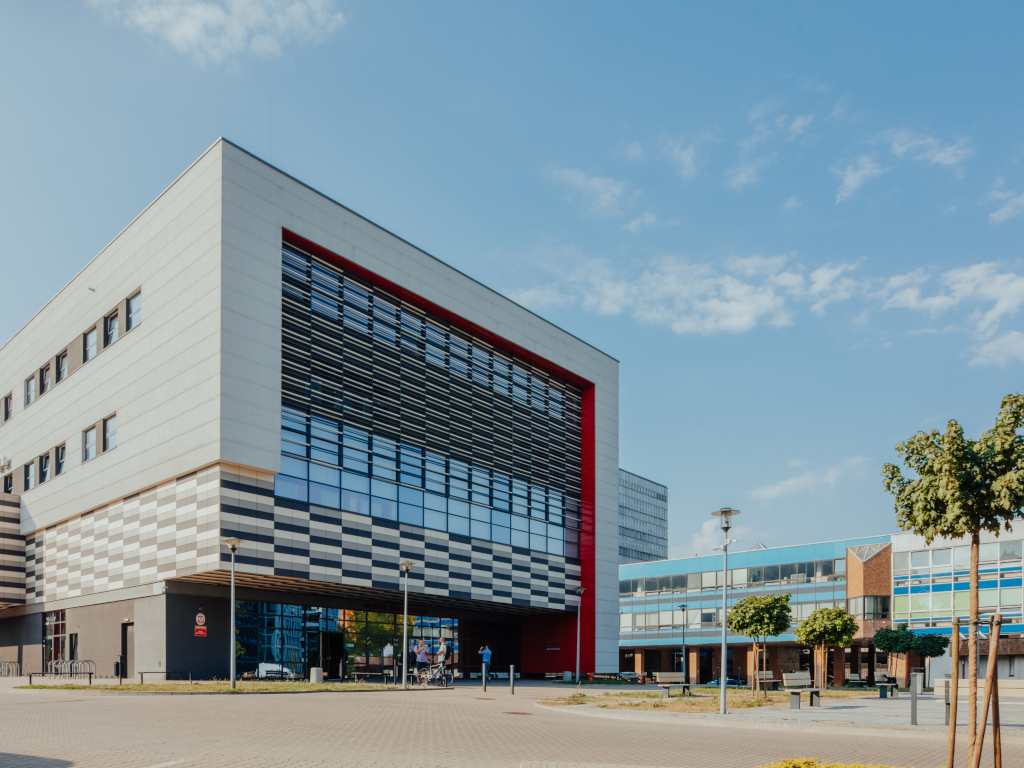
Facility

  • High quality of teaching and research in Polish and English languages
  • Rich offer of courses taught in English language
  • English and Polish language preparatory courses
  • Exciting student life: International Students Orchestra, Football Team, Volunteer Group
  • Multicultural city with wide range of employment opportunities

Equipment

  • computers
  • projectors
  • radio studio
  • TV studio
  • graphic programmes and equipment
  • multimedia projectors with interactive whiteboards
  • two computer laboratories
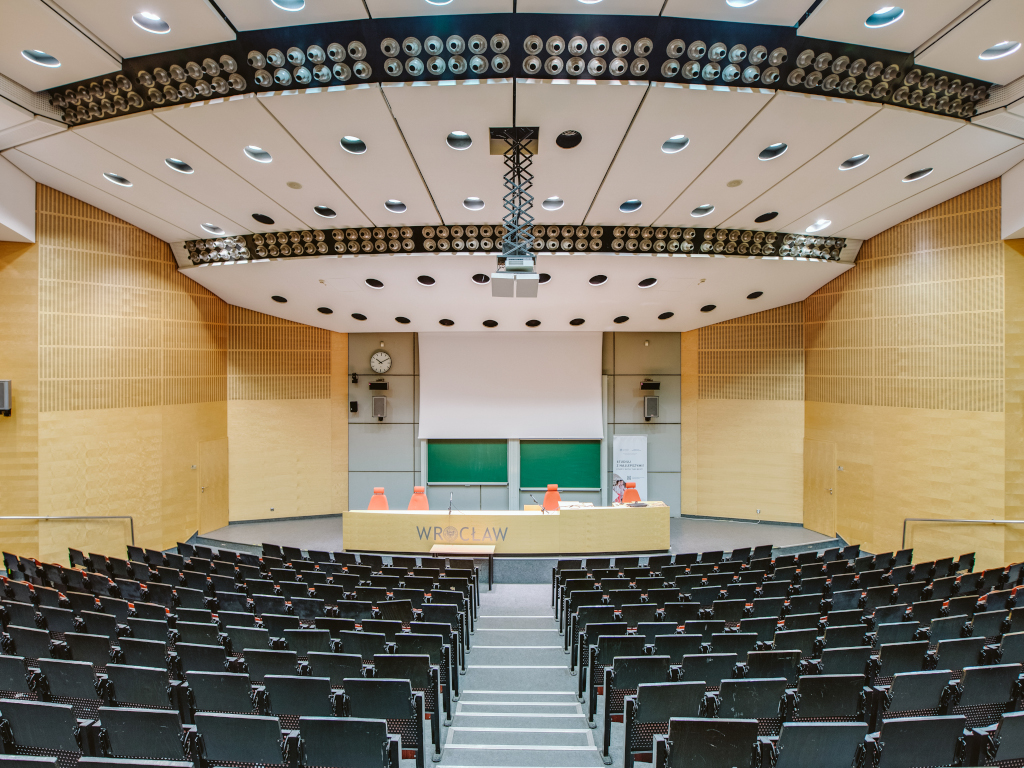
  • modern classrooms
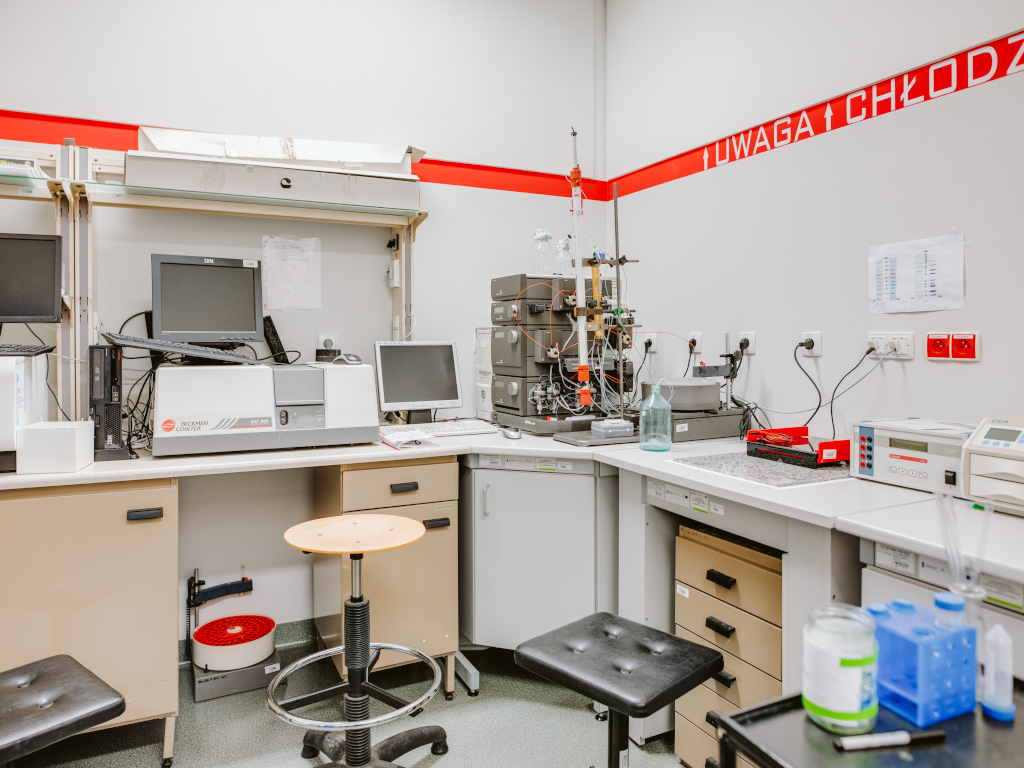
  • teaching laboratories
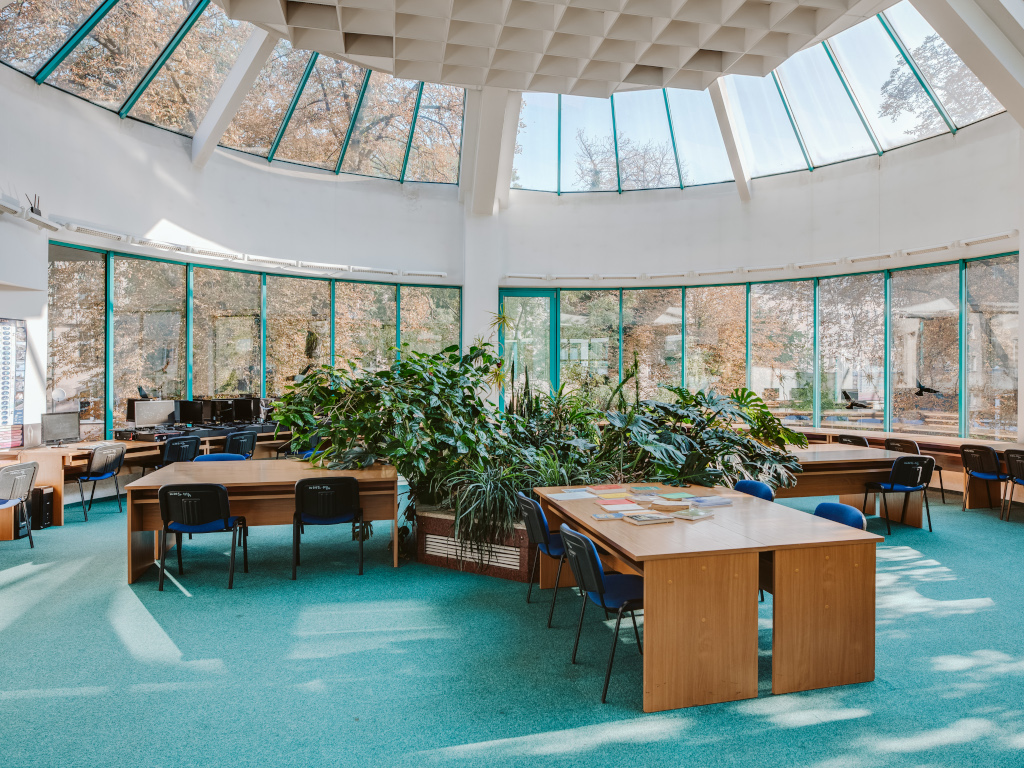
  • a generous amount of laboratory space for student-faculty research

Nationality mix

Media

Media videos

Media gallery

Social Media

Location

Localization

Static Map

Information

Wroclaw, Pl. Uniwersytecki 1
50-137

Documents

Application documents available after login

Specializations

Similar courses in this city

Why Choose a Bachelor’s Degree in Poland?


Poland has become a popular destination for higher education among international students. A bachelor’s degree in Poland offers high-quality education, recognized degrees, and diverse study programs across various disciplines. The country is home to numerous prestigious universities, many of which rank highly in international rankings. Additionally, the cost of living and tuition fees in Poland are significantly lower compared to Western Europe, making it an affordable option for students. Another advantage is the increasing number of English-taught programs, allowing non-Polish speakers to pursue their academic goals with ease. Poland's vibrant student life, rich culture, and excellent career opportunities further add to its appeal for those seeking a bachelor's degree in Poland. The country also boasts a welcoming atmosphere, with a growing number of international students and numerous cultural experiences that make studying here enriching and rewarding.


Bachelor’s Degree Programs for International Students


International students can choose from a wide variety of bachelor's degree programs in Poland, many of which are offered in English. Universities across the country provide programs in fields such as business, engineering, medicine, IT, social sciences, and humanities. Popular choices among international students include computer science, international relations, management, and biotechnology. The flexibility of the Polish higher education system allows students to select programs that align with their career aspirations while experiencing a dynamic academic environment. With well-equipped campuses, modern research facilities, and experienced faculty members, students receive comprehensive training in their chosen fields. Moreover, Poland offers various scholarships and financial aid options to support international students, making higher education even more accessible. The increasing number of foreign students choosing Poland highlights its reputation as a preferred education hub in Europe.


What to Expect from a Bachelor’s Degree in Poland


A bachelor's degree in Poland typically takes three to four years to complete, depending on the field of study. Most programs follow the European Credit Transfer and Accumulation System (ECTS), making it easier for students to transfer credits between universities across Europe. The curriculum is designed to balance theoretical knowledge with practical experience, often incorporating internships, research projects, and industry collaborations. Admission requirements vary by university and program, but generally include a high school diploma and English proficiency test results (such as IELTS or TOEFL) for non-native speakers. Some universities also conduct entrance exams or interviews for specific programs. Polish universities emphasize an interdisciplinary approach, allowing students to gain skills beyond their primary discipline. After completing a bachelor’s degree in Poland, graduates have multiple career paths, including employment in multinational companies, further studies at the master’s level, or research opportunities in their field of interest. Many graduates find that Poland provides excellent job prospects, as the country has a growing economy and increasing demand for skilled professionals in various industries.


Bachelor’s Degree Equivalency in Poland and Abroad


A bachelor's degree obtained in Poland is internationally recognized, as the country follows the Bologna Process, which ensures compatibility with other European higher education systems. This makes it easier for graduates to continue their education or seek employment in different countries. In many cases, Polish bachelor’s degrees are equivalent to those in Western Europe and North America. However, some professions may require additional certification or licensing, depending on the country of employment. For example, engineering, medical, and legal professions may necessitate further accreditation before practicing in another country. Students considering working abroad after graduation should research specific equivalency requirements to ensure a smooth transition into their chosen careers. Additionally, many Polish universities have established partnerships with institutions worldwide, providing students with exchange programs and dual-degree opportunities to enhance their international credentials.


Master’s Degree Opportunities in Poland


For those looking to further their education, Poland also offers excellent master’s degree programs across various disciplines. A master’s degree in Poland provides advanced knowledge and specialized skills, preparing graduates for leadership roles in their respective fields. Many master’s programs in Poland are available in English, making them accessible to international students. The cost of tuition remains relatively affordable compared to other European countries, and students can benefit from Poland’s strong academic traditions and research-driven learning environment. Whether pursuing a master’s degree in Poland in English or Polish, students will find a range of options that cater to their academic and professional aspirations. Furthermore, Polish universities actively collaborate with industry leaders, offering students valuable networking opportunities, internships, and career support services. The country’s strategic location in Europe also provides graduates with access to a diverse job market, facilitating career growth both within Poland and abroad.