
Think Poland
Study
in Poland / Europe

/

University of Wroclaw

Master in Communication Management - Image Communication (advertising, public relations, branding) in Poland, Wroclaw

Communication Management studies offer a comprehensive approach to external and internal communication of brands, organizations and their image, by means of existing communication systems. Graduates of the program will have acquired theoretical knowledge and practical competences in the areas of specific aspects of communication of organizations and their external and internal image (advertising, public relations, branding). They will also have acquired detailed knowledge about the range of work and competences of different units of organizations and companies from the creative industry. The educational goal of the program is to build competences connected with designing (also graphic), perceived as an important element of organizational and brand image.

The core characteristic of Communication Management studies is the focus on building a wide range of competences in the area of communication, economy, marketing and market processes, as well as knowledge about the media in the graduates. In the near future the highly changeable market and media environment will result in a strong need to be oriented on innovativeness and creativity of communication, as well as goal based management. Therefore, these competences will allow the graduates to build a strong position in the labor market and constantly adapt to its needs.  

The educational goal of the Communication Management studies is to teach the students techniques and methods of appropriate, effective and efficient communication and managing companies, organizations and institutions. The graduates will also have acquired the skill of diagnosing disturbances in communication, as well as anticipating crises and managing them. 

Communication Management graduates can work in the following professional areas:

Cooperation with external customers: counseling, communication management, training (freelancer), opening their own business (advertising, public relations and/or branding agency). Working in a marketing, PR or communication management department in a company or institution Working in enterprises, companies or organizations, managing the customer relations process. Managing communication in a multicultural organization. Designing internal and external communication; designing and implementing visual communication systems. Branding and brand management. Creative industries in a broad sense (advertising and interactive agencies, social media, PR agencies, media houses, production studios, etc.)

The graduate will be prepared to hold the following functions:

Communication advisor for enterprises and commercial organizations; Image building advisor for public people (politicians, show-business people); Image building advisor for organizations and institutions; Public Relations or image building department employee in various organizations; Image building and efficient communication coach; Designer; Employee in a film or advertising producing group; Interactive agency employee; Developer in a company dealing with computer games and/or software;  Self-presentation and negotiations advisor; The graduate of this specialization will also be prepared to start their own company in industries like public relations, advertising, branding, media relations and image building.

The graduates of this program will have an extensive knowledge on social communication, fundamentals of economy and consumer behaviors, as well as vast project competences comprising the general area of image building and management in reference groups.

There will be a special emphasis on building communication competences, teamwork and negotiating skills, as well as techniques of effective and efficient communication. Practical skills connected with graphic designing in traditional and new media will also be a very important element of the teaching program. 


Porduct SKU : 6627210

First Year
First Year €3,750
Total duration 24 MONTH(S)
First Year €3,750
Total duration 24 MONTH(S)
See details Close details
You Receive
FreeMONTHS
Enrolment Fee
Materials Fee
First Year
Tuition Fee
Month(s)

Promotions

Enrolment Fee
Materials Fee
Free MONTH(S)
Month(s)2 + Free MONTH(S)
Micro Instalments
Special Price
Reduced tuition fee
Extras
Initial Payment
Generate a quote in one minute
  • Oszczędnie
    Free services
  • Szybko
    Quick consultation
  • Bezpiecznie
    Quality certificates
  • Kompleksowo
    On the market since 2009
  • Na miejscu
    In your country & in Poland
  • Kiedykolwiek
    Assistance after arrival
About

Students

Total number of students:
27300

School

LOGO

The University of Wrocław has a rich history of more than three centuries. Founded by Leopold I Habsburg the university evolved from a modest school run by Jesuits into one of the biggest academic institutions in Poland. At the beginning of the 19th century the university had five Faculties: philosophy, catholic theology, evangelical theology, law and medicine. Later it was expanded by numerous sections, laboratories and a natural museum, which exists until today.


After the Second World War a group of Polish professors, formerly from Lvov, started teaching and research activities at the University of Wrocław. Initially they created the Faculties of law and administration, arts, natural sciences, agriculture, veterinary, medicine, mathematics, physics and chemistry. Some of these Faculties were soon transformed into other universities.


Since the beginning of the 20th century, the University of Wrocław produced 9 Nobel Prize winners, such as Theodor Mommsen, Philipp Lenard, Eduard Buchner, Paul Ehrlich, Fritz Haber, Friedrich Bergius, Erwin Schrödinger, Otto Stern and Max Born.


Today, the first and foremost focus of The University of Wrocław is scientific research. Our scholars have numerous links with their fellow researchers from other higher education institutions in Poland and throughout the world. The success of our researchers has been recently recognized by Polish authorities, who significantly increased funding for both equipment and research at our University by 80% compared to previous years.


Like in most countries, in Poland the national quality assessment system is part of a national strategy for improving the quality of education. Every four years the Ministry of Education evaluates faculties of all Polish universities. Last year 9 out of 10 of our Faculties were qualified in the highest category and one was the second highest.


The Academic Incubator of Entrepreneurship is a new unit of the University of Wrocław designed to aid students in starting their own businesses by providing free entrepreneurial advice, organizing conferences, seminars, subsidizing selected investments and offering office space. The Academic Incubator of Entrepreneurship cooperates with the Wrocław Technology Park, a technological centre with laboratories, office space, conference centre and modern multimedia equipment. The objective of the Technology Park is to create conditions for the use of scientific and industrial potential of Wrocław and the region and to stimulate the advanced technologies industry. The University of Wrocław is proud to be one of its shareholders.


Today the University of Wrocław is the largest university in the region and teaches over 26,000 students and around 1300 doctoral students at 10 Faculties. 9000 students graduate from the University every year.

Dates

Course start

Why

  • High quality of teaching and research in Polish and English languages
  • Rich offer of courses taught in English language
  • English and Polish language preparatory courses
  • Exciting student life: International Students Orchestra, Football Team, Volunteer Group
  • Multicultural city with wide range of employment opportunities

Facility

  • High quality of teaching and research in Polish and English languages
  • Rich offer of courses taught in English language
  • English and Polish language preparatory courses
  • Exciting student life: International Students Orchestra, Football Team, Volunteer Group
  • Multicultural city with wide range of employment opportunities

Equipment

  • computers
  • projectors
  • radio studio
  • TV studio
  • graphic programmes and equipment
  • multimedia projectors with interactive whiteboards
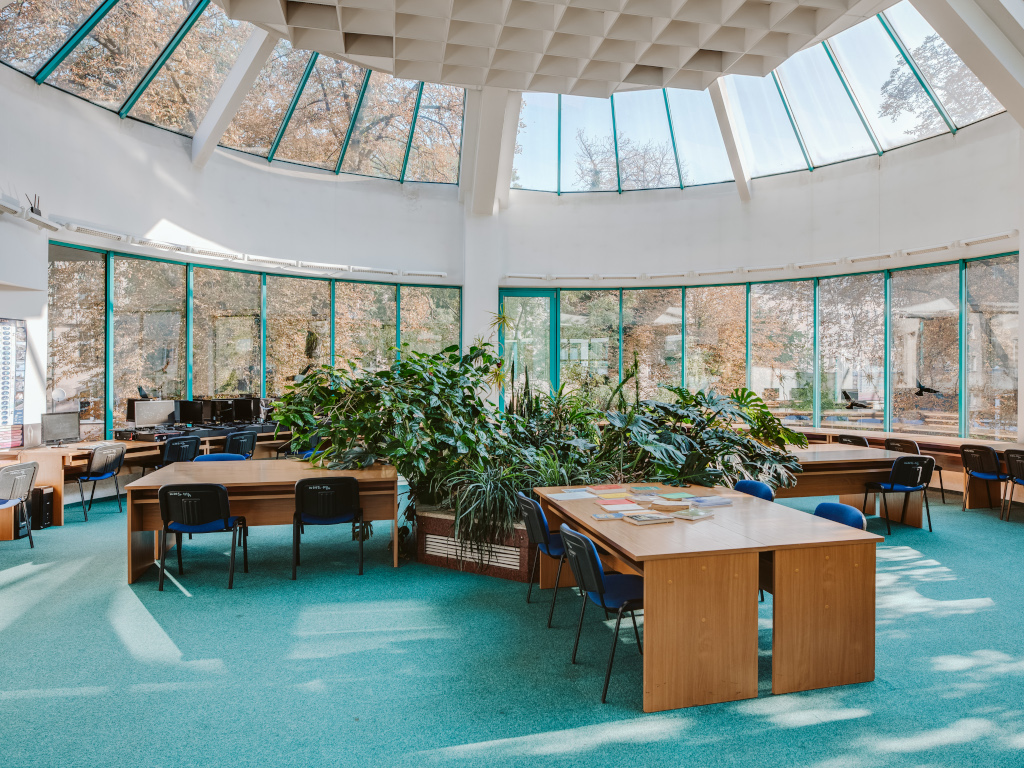
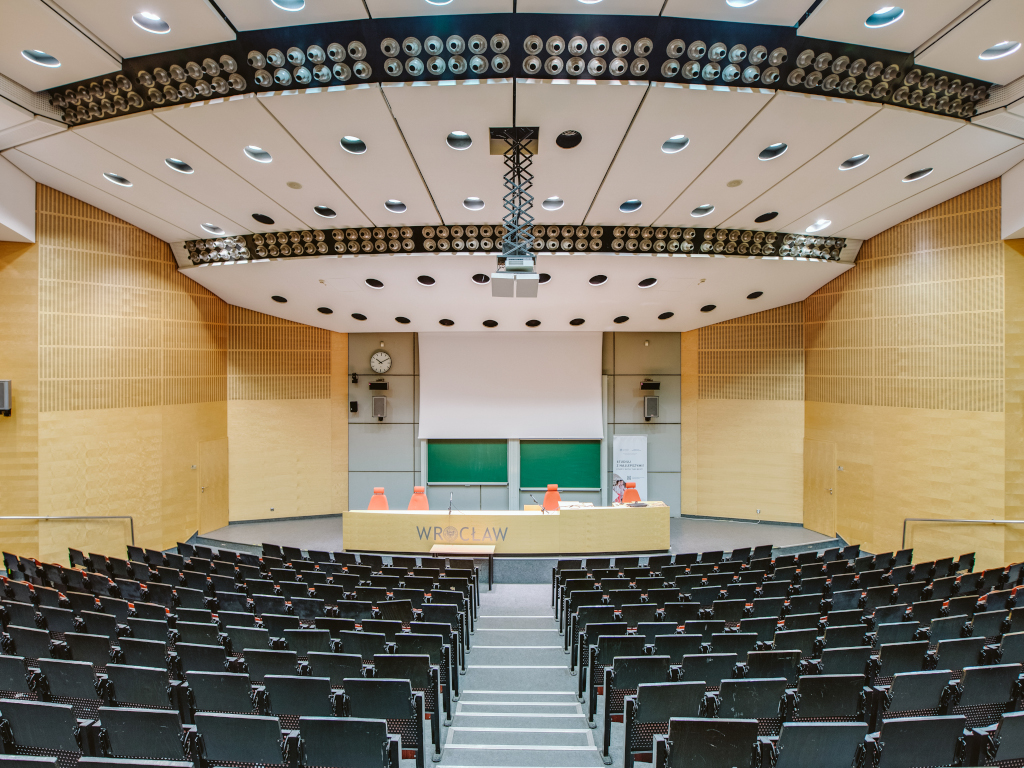
  • two computer laboratories
  • modern classrooms
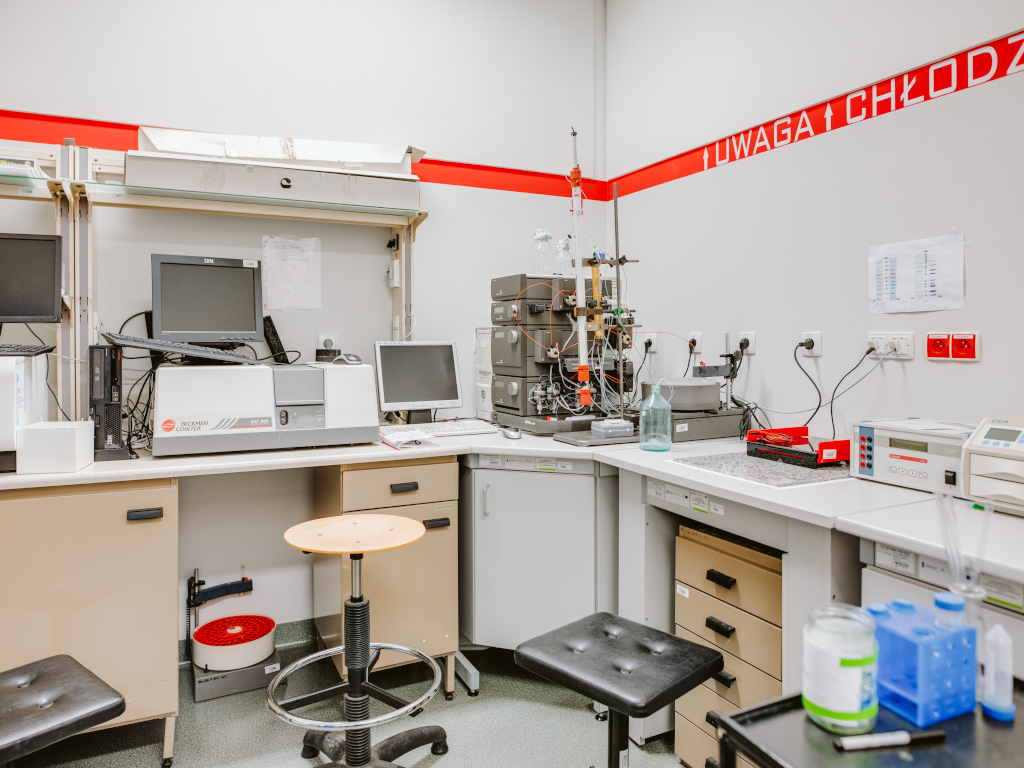
  • teaching laboratories
  • a generous amount of laboratory space for student-faculty research

Nationality mix

Media

Media videos

Media gallery

Social Media

Location

Localization

Static Map

Information

Wroclaw, Pl. Uniwersytecki 1
50-137

Documents

Application documents available after login

Specializations

Similar courses in this city

Why Choose Poland for Your Higher Education?

Poland is quickly becoming a preferred destination for international students seeking affordable, high-quality education. With more universities offering English-taught programs and degrees recognized across Europe and beyond, education in Poland provides global value. Students benefit from a welcoming culture, growing job market, and a rich academic environment, making it a great place to study abroad in Poland.

Why Choose Poland for Your Higher Education?

Poland has emerged as one of Europe’s most attractive countries for international students. With over 400 institutions and thousands of foreign students enrolling annually, the higher education in Poland system offers both variety and quality. Programs taught in English span across disciplines—from engineering and IT to humanities and social sciences—making it easy to study in Poland without needing to speak Polish.

The affordability of education in Poland is a major draw. Tuition is lower than in Western Europe, and living costs are budget-friendly. Poland’s EU membership also allows students to explore career opportunities across Europe after graduation. Whether you're pursuing academics, research, or practical training, choosing to study in Poland means accessing real-world opportunities and global networks.

Understanding the Educational System in Poland

The educational system in Poland is aligned with the Bologna Process, ensuring compatibility with European standards. Higher education in Poland follows a three-level structure: Bachelor's, Master's, and Doctorate (PhD). Students earn ECTS credits, which allows for easy mobility between universities in Europe.

Universities are public or private, offering flexible study paths and a focus on innovation, practical experience, and international collaboration. Whether studying business, science, or the arts, you can find programs that match global trends. Choosing to study in Poland means entering an academic system that prioritizes development and quality.

Medical Education in Poland: Opportunities for International Students

Medical education in Poland is well-respected internationally. Several universities offer English-language MBBS and medical science programs, attracting students from Asia, Europe, Africa, and the Americas. These institutions provide modern laboratories, experienced faculty, and strong clinical training in affiliated hospitals.

A full medical program typically lasts six years and includes theoretical and hands-on learning. Compared to countries like the UK or USA, the cost of medical education in Poland is significantly lower, making it an attractive option. Scholarships are available, making it more affordable to study abroad in Poland while preparing for a successful medical career.

Cost of Education in Poland: What International Students Need to Know

The cost of education in Poland is one of its strongest advantages. Tuition for undergraduate programs generally ranges from €2,000 to €4,000 per year, while postgraduate and specialized programs may cost slightly more. Medical education in Poland is at the higher end, but still more affordable than in many Western countries.

Living expenses in cities like Kraków or Warsaw range from €400 to €700 per month. This includes housing, transportation, and daily expenses. Student dormitories and budget apartments are widely available. Financial aid options and study abroad in Poland scholarships help ease the cost burden, making Poland accessible to more students.

How to Study in Poland: Step-by-Step Guide for International Students

If you're wondering how to study in Poland, the process is straightforward. Start by researching programs and institutions that match your goals. Requirements usually include a high school diploma or bachelor’s degree, transcripts, and proof of English proficiency (such as IELTS or TOEFL)

After acceptance, apply for a student visa. You’ll need an admission letter, proof of funds, health insurance, and accommodation details. Many universities offer assistance with housing and orientation. Once in Poland, students can work part-time and gain experience during their studies.

To fully enjoy the study abroad in Poland experience, engage in student life, join clubs, and explore the country’s rich history and vibrant cities. Academic support, international student offices, and friendly local communities help students feel welcome and succeed.