

Think Poland
Study
in Poland / Europe

/

Wrocław Medical University

Master of Medicine in Poland, Wroclaw

Medical studies last 6 years and allow you to gain general knowledge in most fields of medicine. The first two years focus on teaching theory and are to some extent similar to high school in terms of the subjects taught. Clinical classes, i.e. those requiring contact with patients, start in the third year and are the first opportunity to see what a doctor’s work looks like in practice. The last, sixth year of studies is almost entirely dedicated to working with patients in the hospital. After completing studies, the graduates can pass a state exam LEK and complete 13-month-long postgraduate internship in order to gain medical license in Poland, or continue their medical career in other countries.

SUBJECTS

Anatomy is the subject to which most time and attention is devoted at the beginning of studies. Then there is biochemistry – there are legends about the difficulty of this subject. In pathomorphology, in addition to the evaluation of histological specimen, you also participate in autopsies. A certain detachment from typical medical subjects is medical law, where regulations are discussed on a case by case basis. Subsequently, we learn more about each specialty in different clinics, each of which has a different profile.

WAY OF CONDUCTING CLASSES

At first, there are more laboratory and theoretical classes  – you work with a microscope, pipette and various types of specimens. There are, of course, lectures and seminars (for which papers are prepared), but classes consisting mainly of listening to the lecturer are rare. From the third year onwards, clinical subjects that require patient contact start to dominate the curriculum. These include, in particular, interview, physical examination, history taking, on the basis of which we learn to make first diagnoses.

SUMMER INTERNSHIPS

Internships take place in a hospital after each year of study (up to and including the fifth year) and last for one month. Internship placement can be sought at any hospital, but most students choose places provided by the university under agreements with individual hospital departments. After the first year of study, there is a nursing internship where you learn the basics of patient care. The second year of study is followed by internships in family medicine (3 weeks) and emergency care in a Hospital Emergency Department or ambulance (1 week). After the 3rd year of study you spend a month at the department of internal medicine, after the fourth year you spend two weeks in surgery and another two in anaesthesiology and intensive care. Internships after the fifth year of study take place in the paediatric and gynaecology/obstetrics departments and also last two weeks each.

STUDY LENGHT

The six-year studies are followed by a one-year internship during which you learn about most areas of medicine. At this time student also takes the Medical Final Examination, which can be taken in either the autumn or spring session. The result of the exam is the basis for applying for medical residency position, which is the basic form of specialisation. This can also be done non-residentially, namely by seeking training on the open market, on a contract basis, although this often involves voluntary work and therefore for free. Residencies are now modular, giving you the opportunity to do a more detailed specialisation straight away. For example, if you want to specialise in paediatric nephrology, the first three years of your residency will cover paediatrics and the following two years will cover paediatric nephrology.

SPECIALISATIONS

There are dozens of specialisations and the number of places on each specialisation varies according to demand in the region. Voivodes in each region report on the need for specialists in a particular field, on the basis of which residency places are allocated in the region. For instance, in urology in Lower Silesia one place is made available every two years, and there are also very few places in dermatology. At the other extreme are family medicine and anaesthesiology with intensive care, for which demand is high. Specialisation takes mostly between 4 and 6 years. It takes 4 years to specialise in family medicine. Surgical specialties, including surgery, take 6 years, while most are completed in 5 years. Upon completion and passing the exam, you are awarded the title of specialist in the relevant field, which effectively completes the basic cycle of medical training.


Porduct SKU : 9266360

First Year
First Year €14,556
Total duration 72 MONTH(S)
First Year €14,556
Total duration 72 MONTH(S)
See details Close details
You Receive
FreeMONTHS
Enrolment Fee
Materials Fee
First Year
Tuition Fee
Month(s)

Promotions

Enrolment Fee
Materials Fee
Free MONTH(S)
Month(s)2 + Free MONTH(S)
Micro Instalments
Special Price
Reduced tuition fee
Extras
Initial Payment
Generate a quote in one minute
  • Oszczędnie
    Free services
  • Szybko
    Quick consultation
  • Bezpiecznie
    Quality certificates
  • Kompleksowo
    On the market since 2009
  • Na miejscu
    In your country & in Poland
  • Kiedykolwiek
    Assistance after arrival
About

Students

Total number of students:
6167

School

LOGO

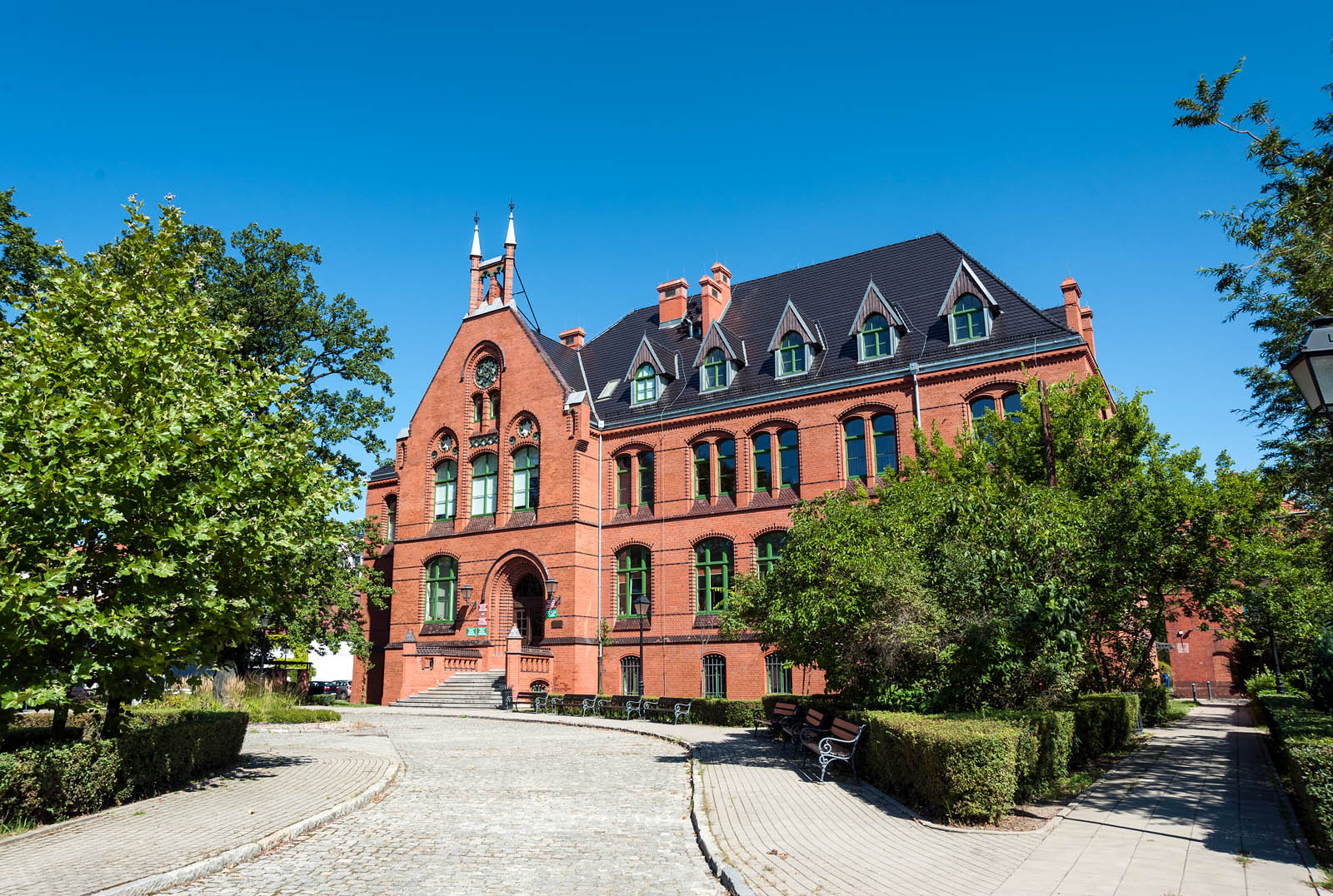
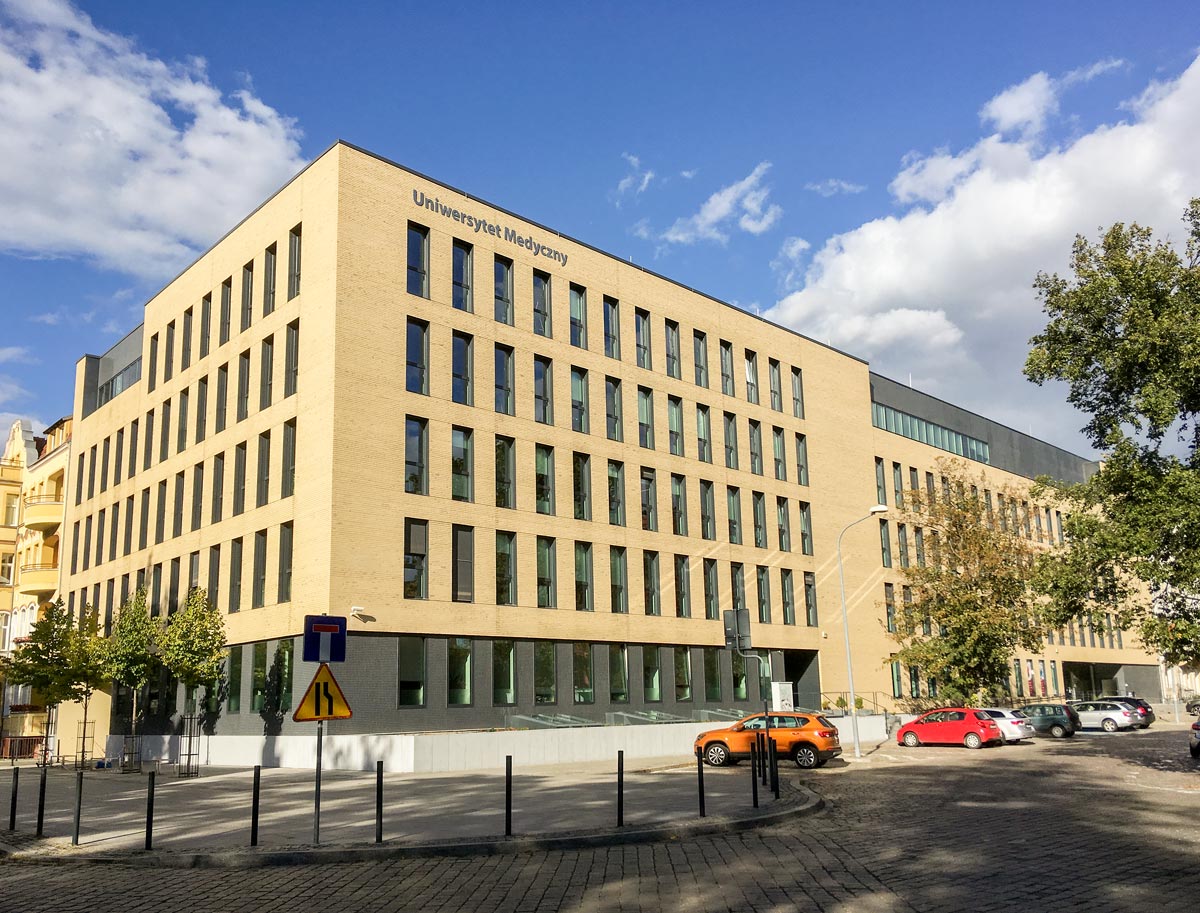
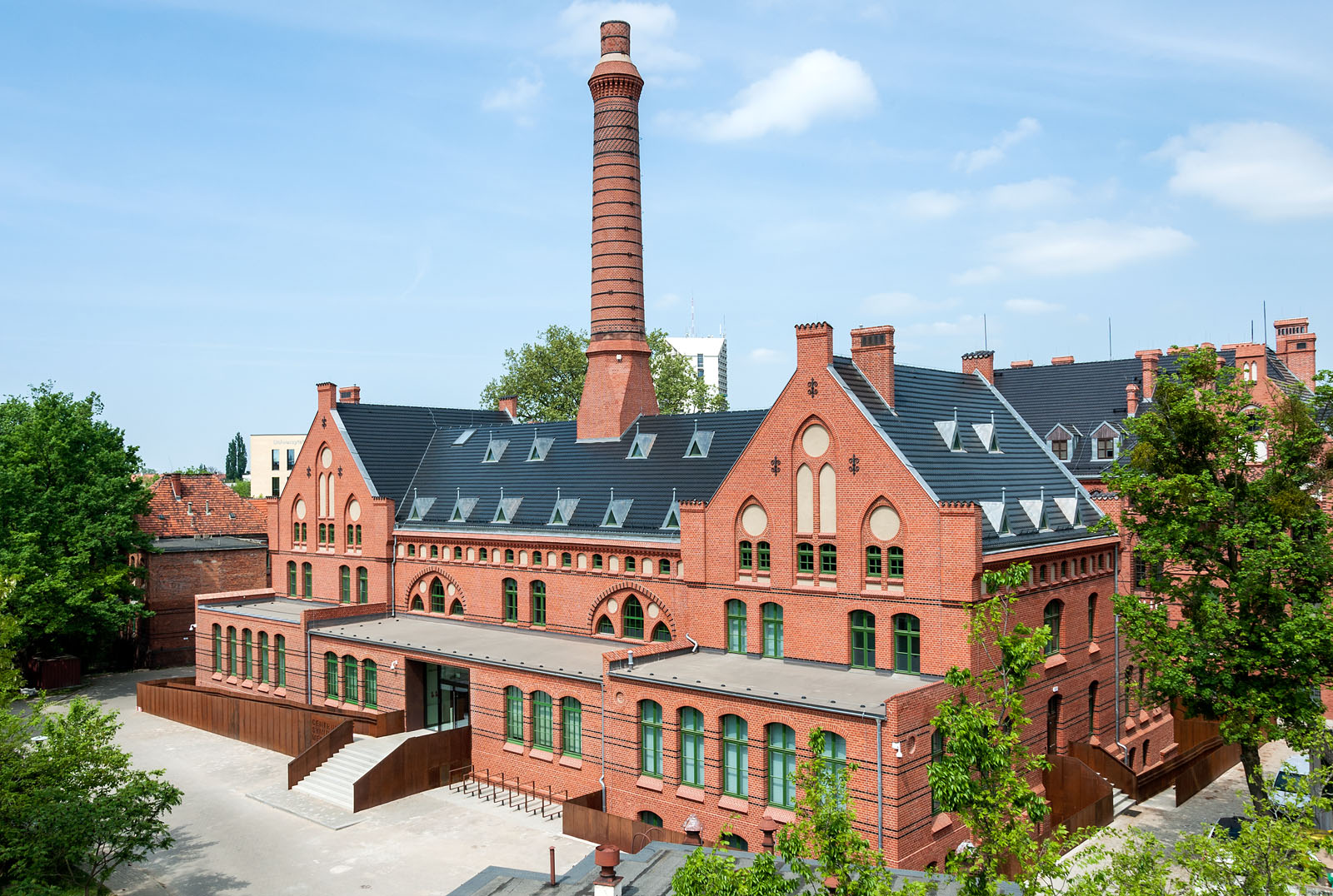
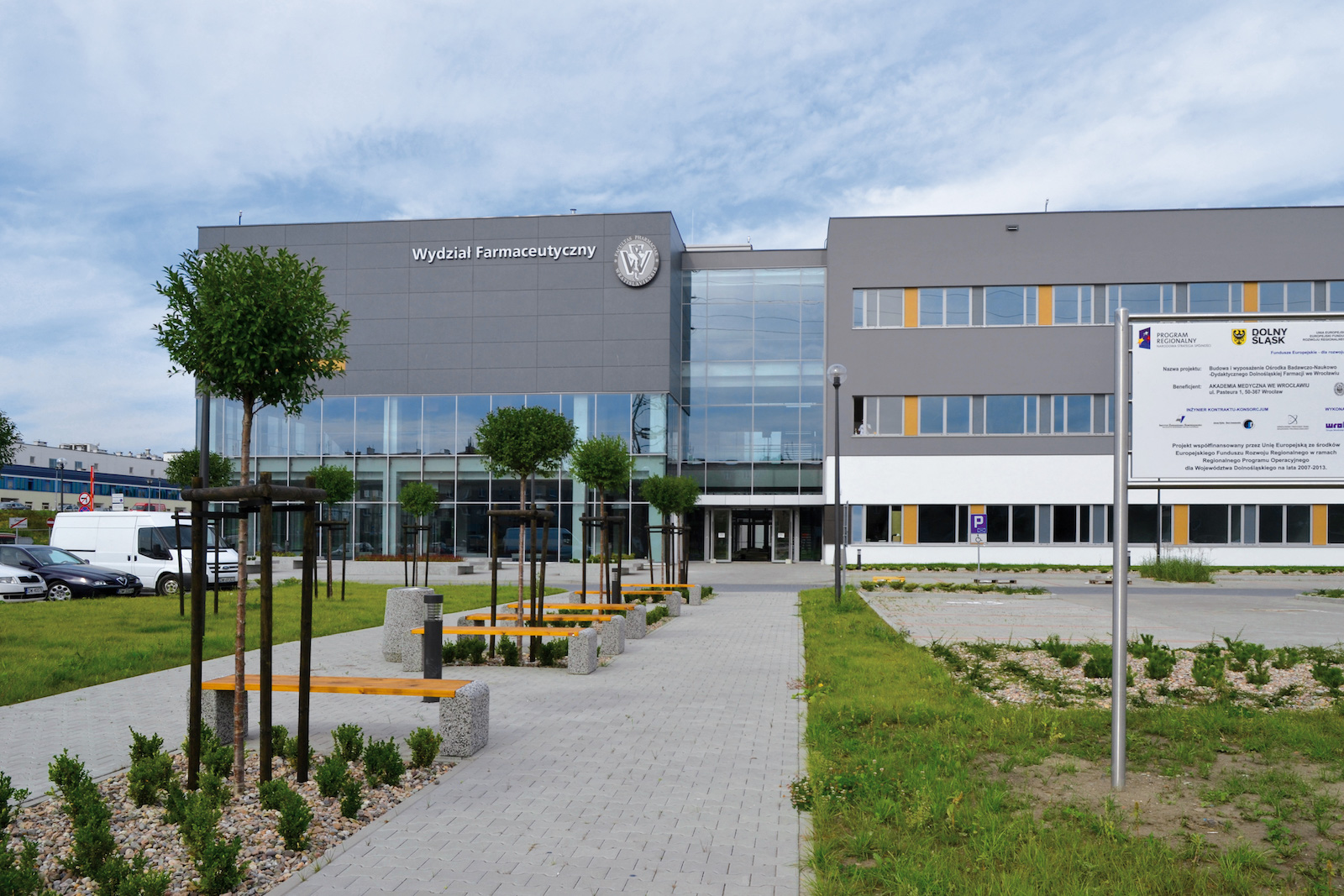
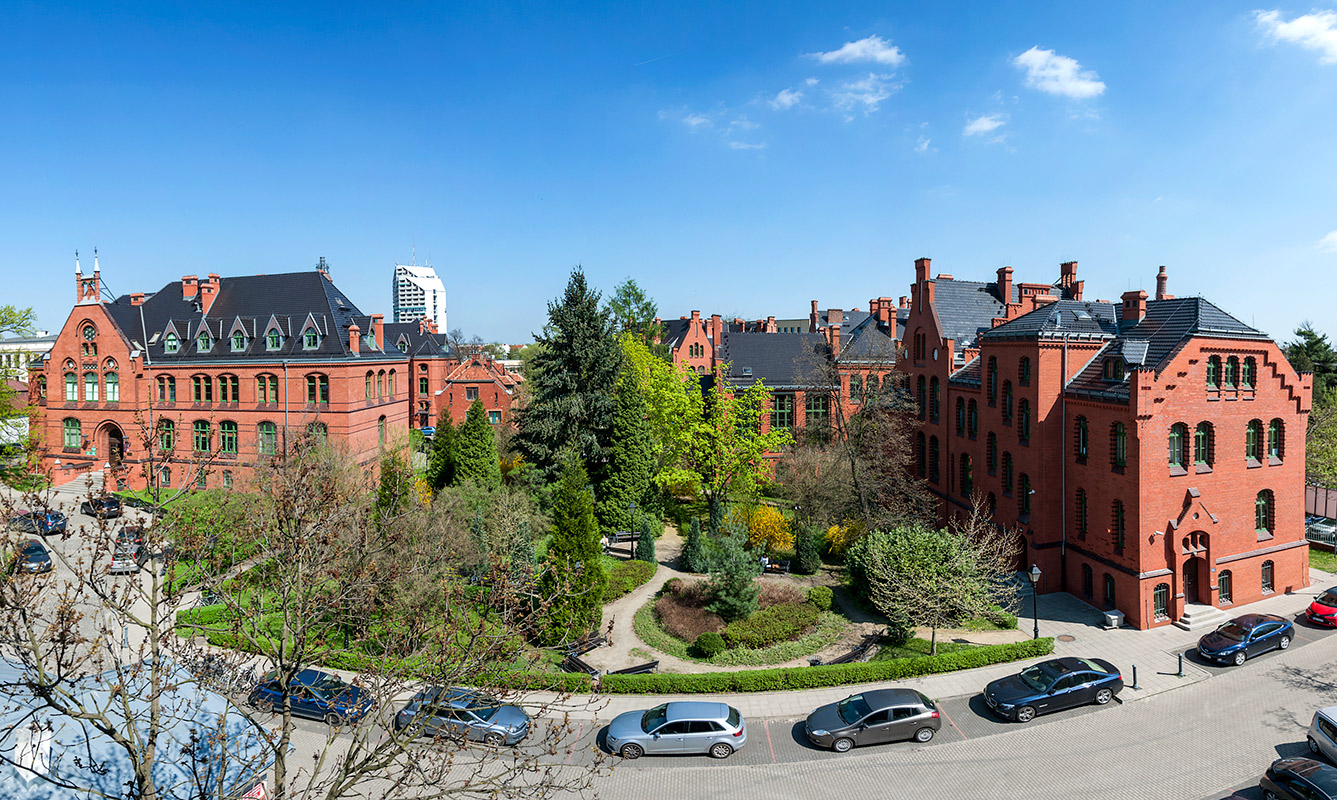
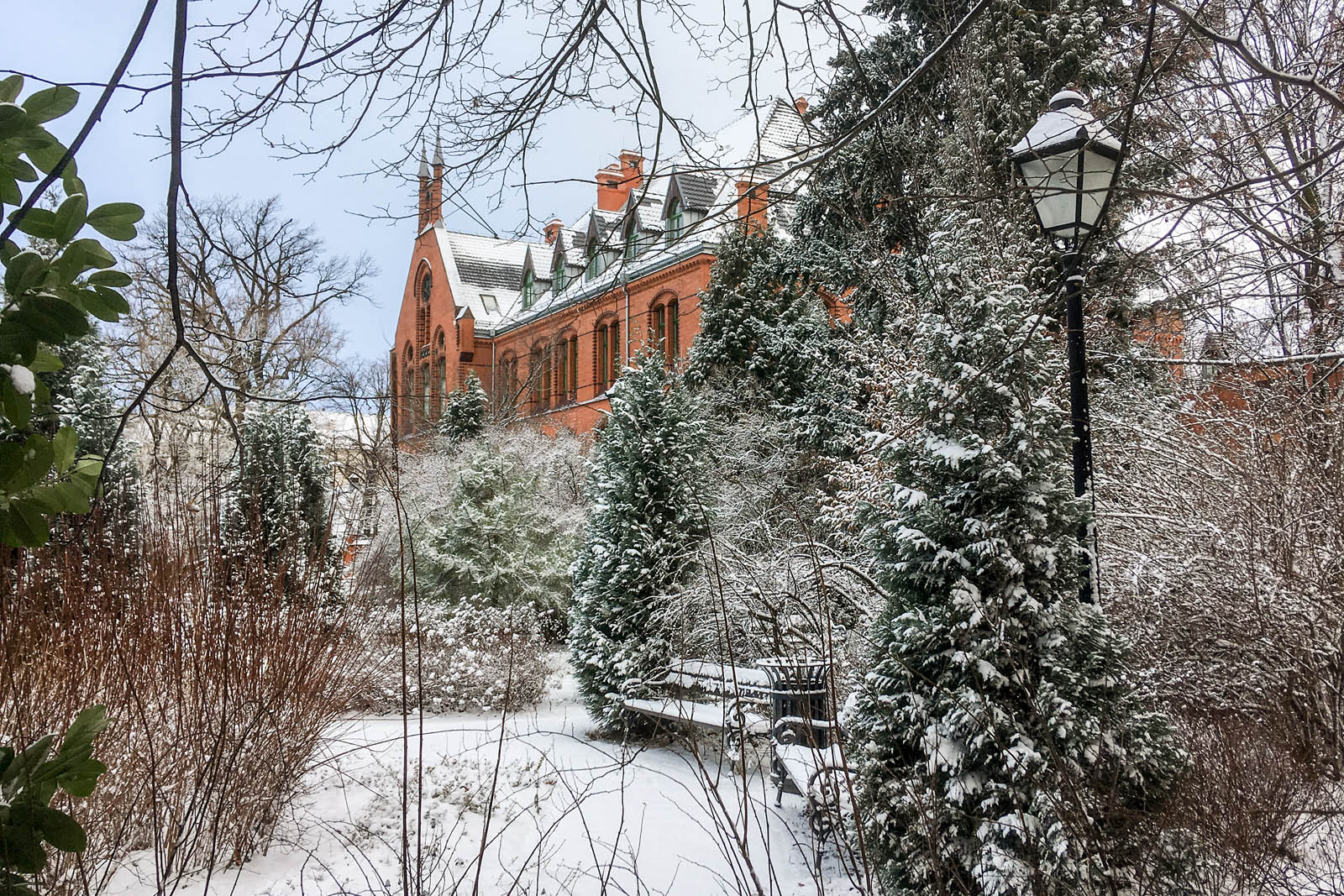
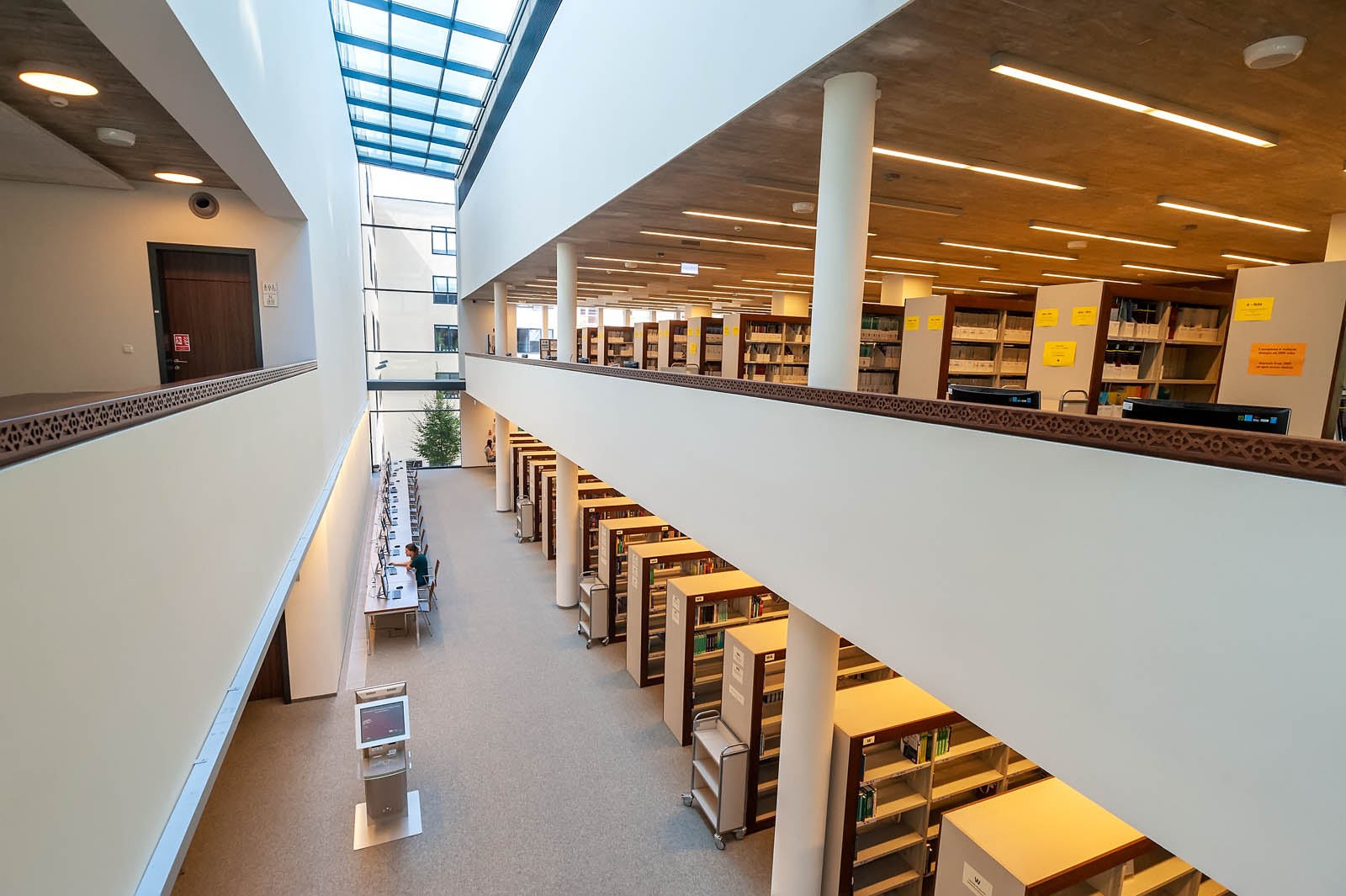
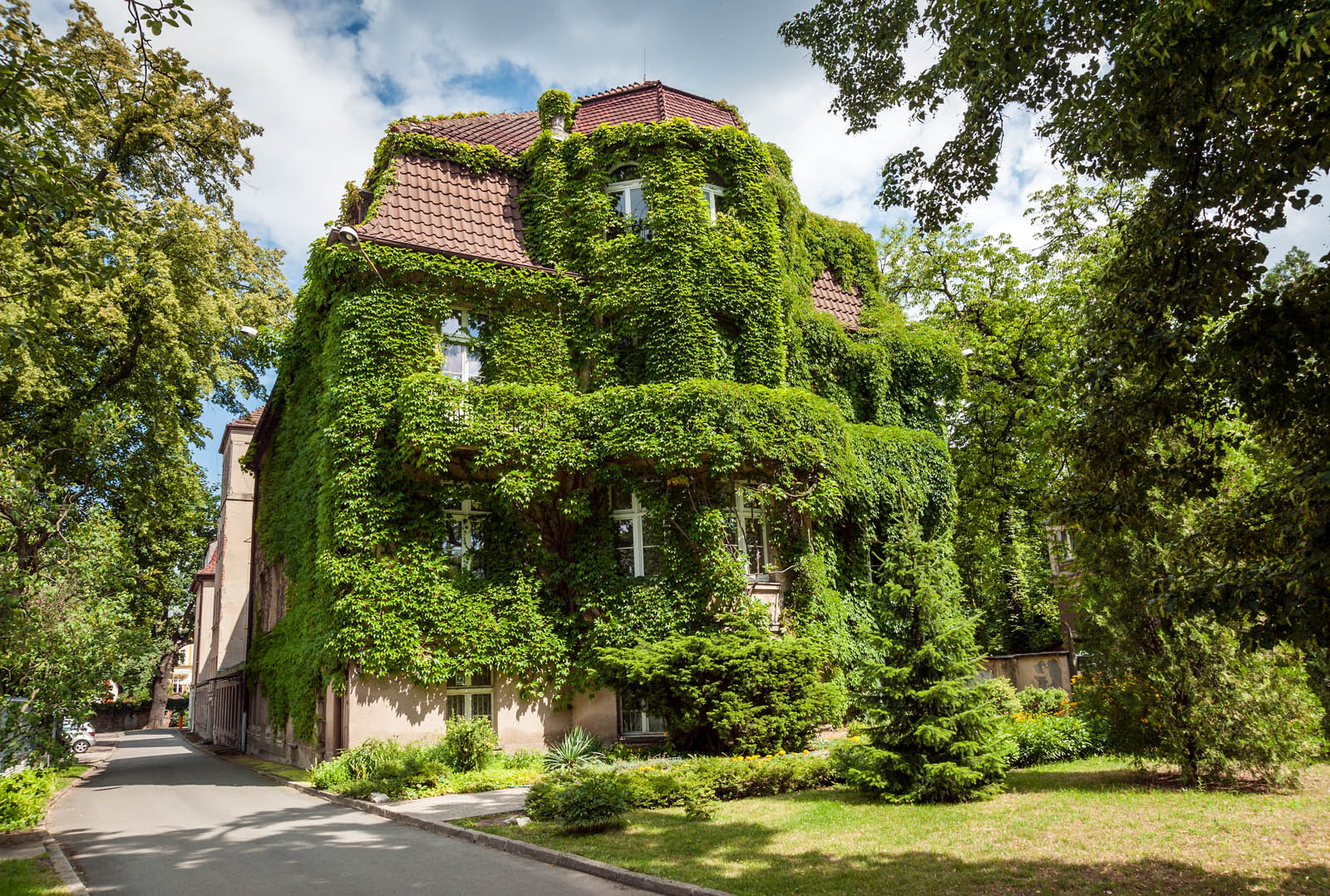
We are a university with more than 70 years of experience in training medical personnel, and several generations of specialists have already left our walls. We respect tradition and appreciate innovation.

We run single master's degree programs, as well as bachelor's and master's degree programs - both full-time and part-time. We offer 10 majors in Polish, including two in English.

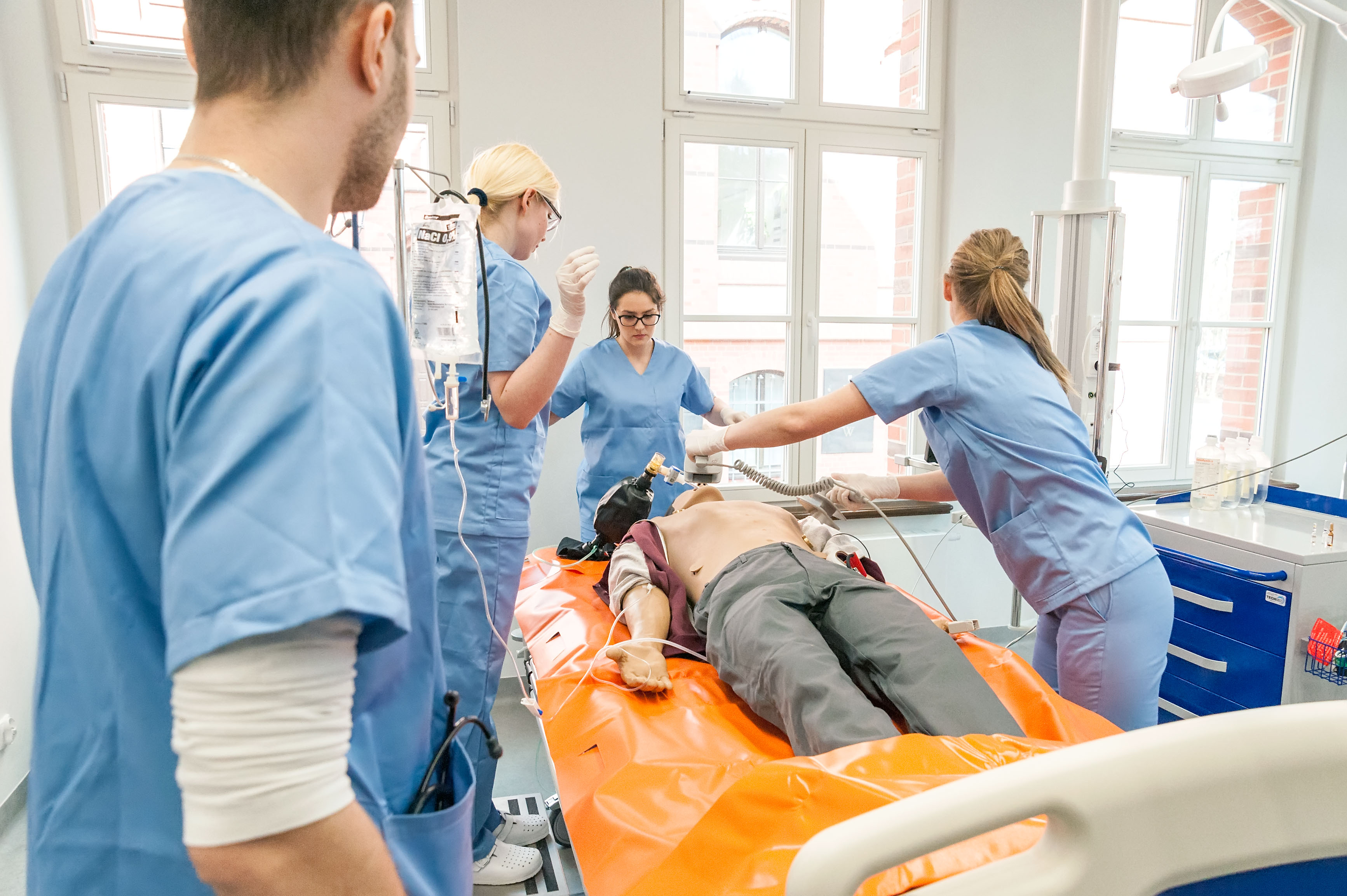
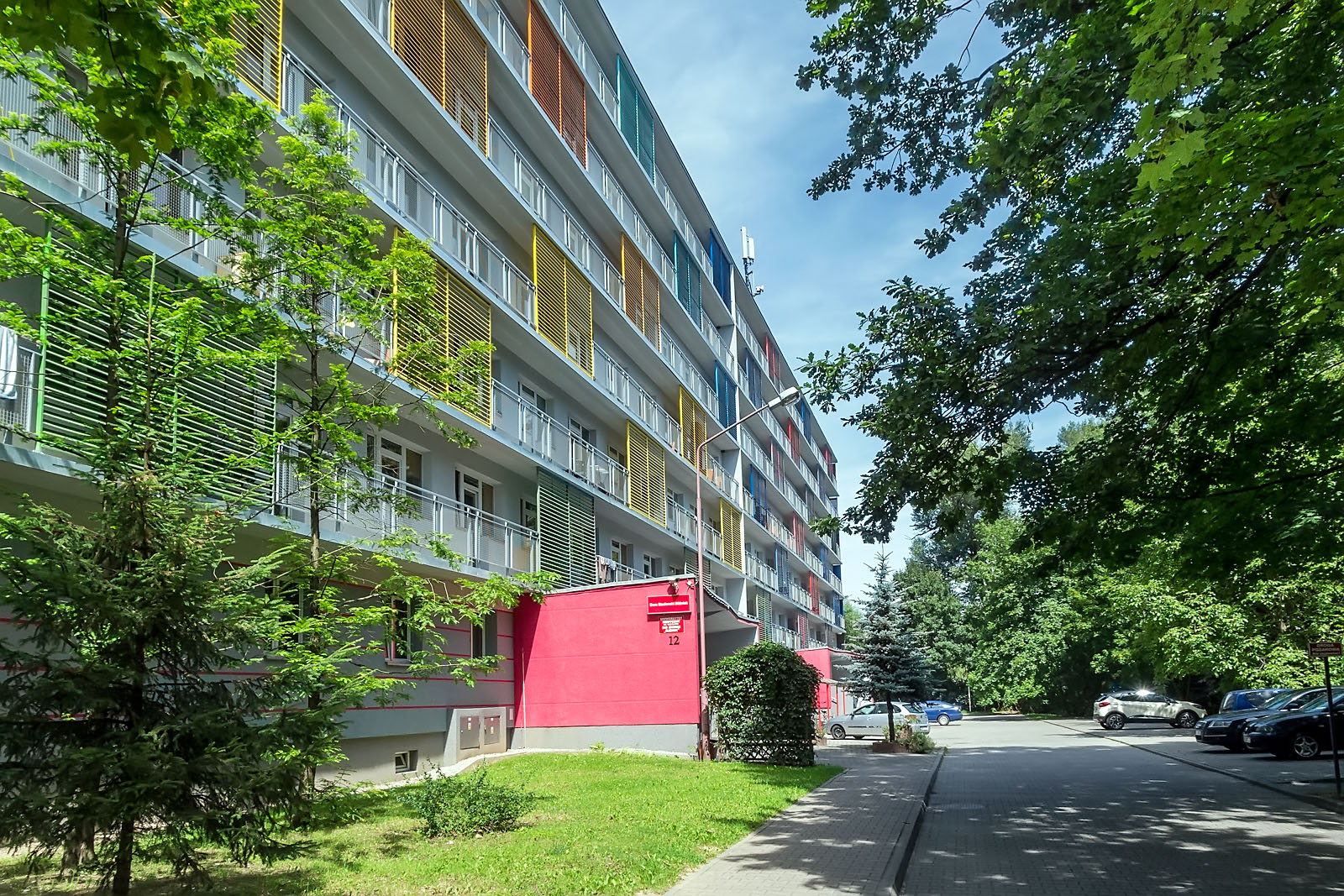
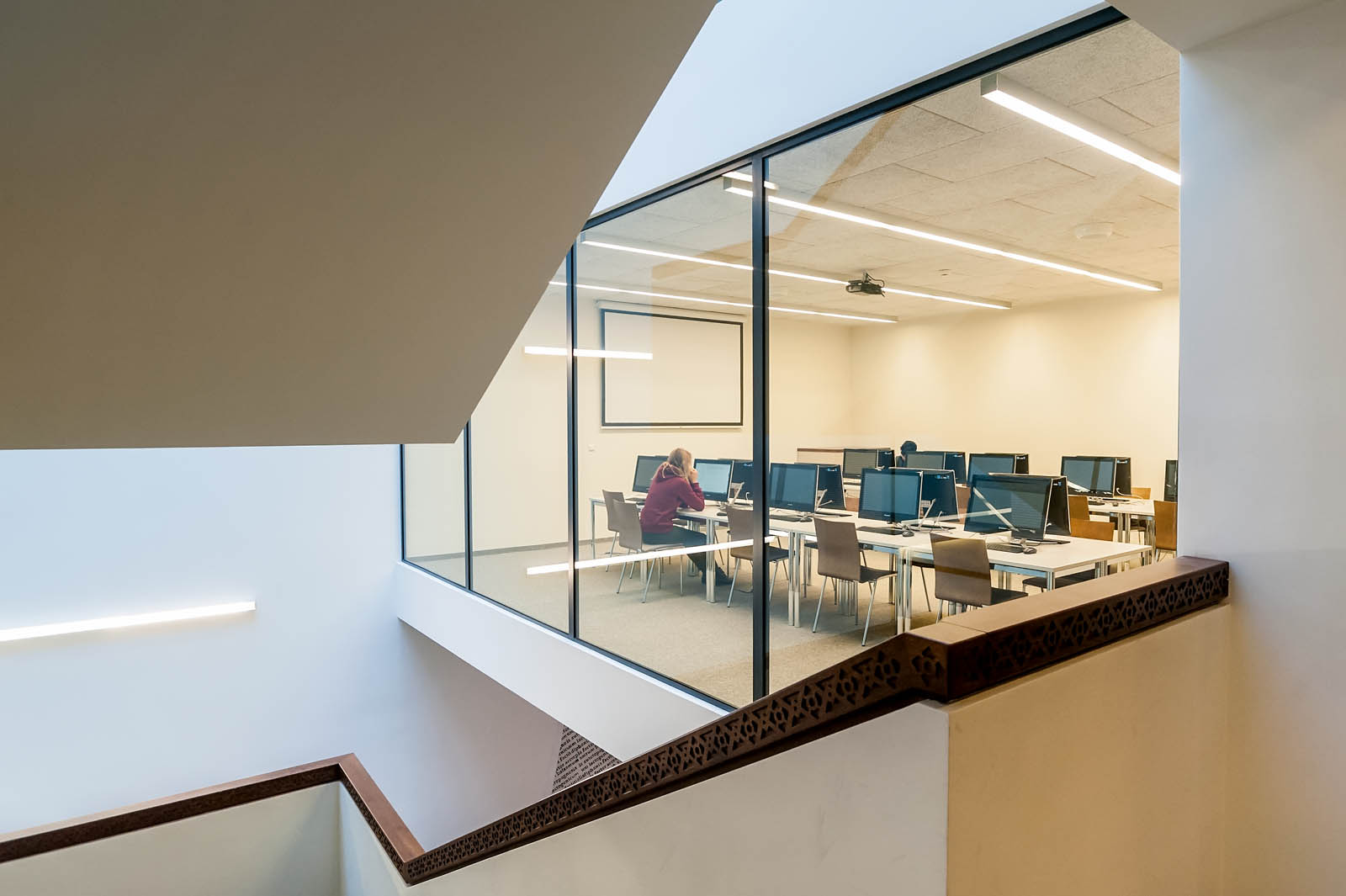
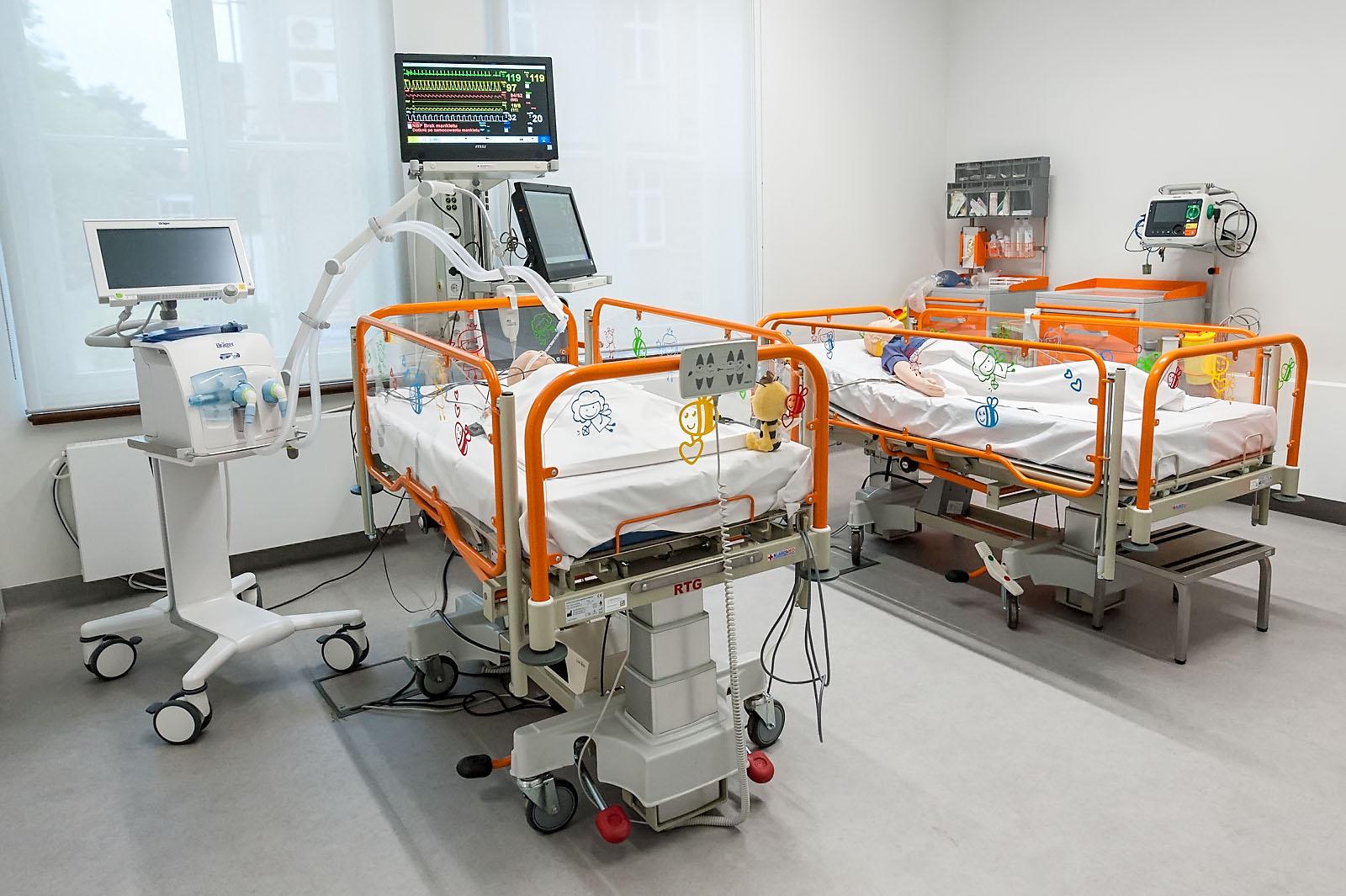
From the first years, we teach practical skills at the Medical Simulation Center. Students are offered places in dormitories, scholarships and the opportunity to participate in numerous study groups.

Why

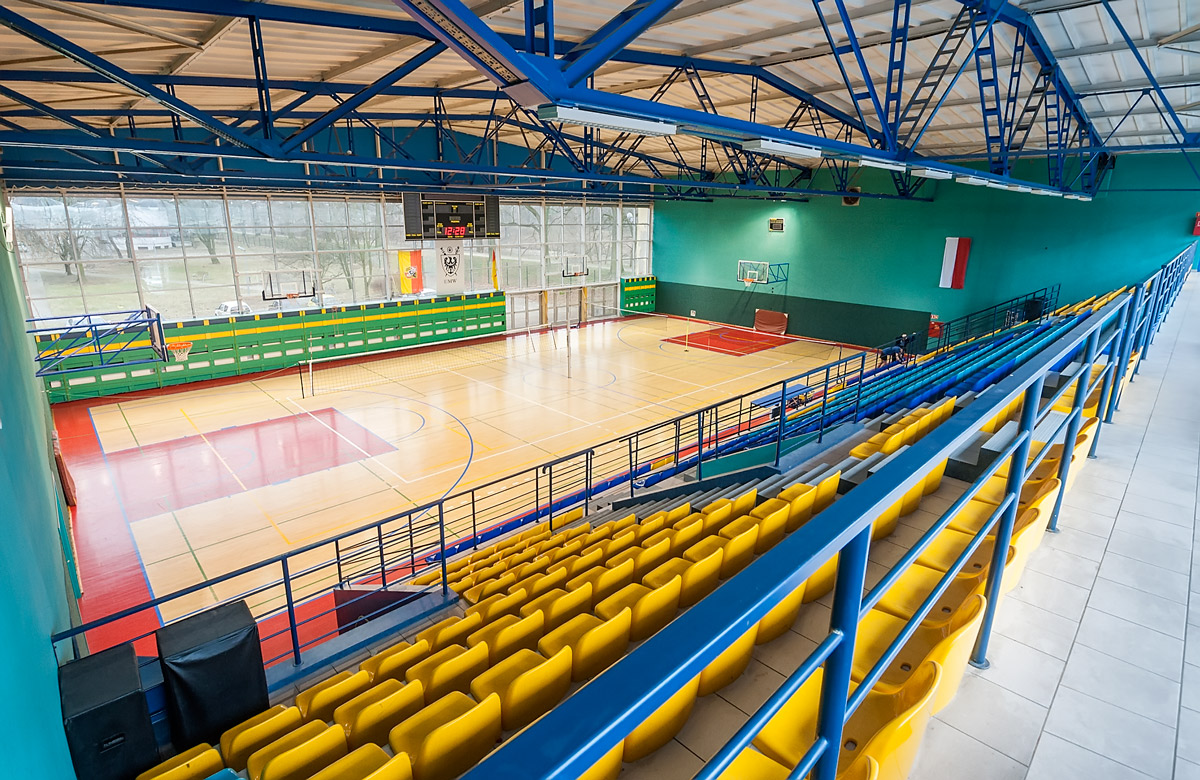
  • We are distinguished by many years of experience and extensive teaching facilities
  • We combine tradition with modernity
  • A modern, well-equipped Medical Simulation Center
  • Research clubs
  • Many international students
  • Wroclaw - a city of meetings

Facility

  • We are distinguished by many years of experience and extensive teaching facilities
  • We combine tradition with modernity
  • A modern, well-equipped Medical Simulation Center
  • Research clubs
  • Many international students
  • Wroclaw - a city of meetings

Nationality mix

Media

Media videos

Media gallery

Social Media

Location

Localization

Static Map

Information

Wroclaw, wyb. Ludwika Pasteura 1
50-367

Documents

Application documents available after login

Specializations

Available specializations:

Similar courses in this city

1. Why Pursue a Master’s Degree in Poland?


Choosing Poland for a master’s degree presents numerous benefits. Polish universities maintain high academic standards, modern research facilities, and experienced faculty. Many institutions rank highly in global university rankings, ensuring top-tier education.

One key advantage is the affordability of tuition fees compared to Western European and North American universities. With competitive tuition costs and a lower cost of living, international students can obtain a quality education without financial strain. Scholarships are also available for talented students.

Poland’s dynamic and growing economy offers excellent post-graduation employment prospects. Many multinational companies operate in Poland, providing job opportunities, particularly in IT, finance, and engineering. International students benefit from Poland’s welcoming visa policies, allowing them to seek employment and build careers after graduation.


2. Popular Master’s Programs in Poland for International Students


Poland offers a diverse range of master’s programs popular among international students. Some sought-after fields include:

  • Engineering & Technology – Poland has a strong engineering tradition, with universities like Warsaw University of Technology and AGH University of Science and Technology offering world-class programs.
  • Information Technology (IT) – As a growing tech hub, Poland offers excellent IT and computer science programs at institutions such as the University of Warsaw and Wrocław University of Science and Technology.
  • Medicine & Life Sciences – Medical programs, particularly at the Medical University of Warsaw and Jagiellonian University, attract international students due to their high standards and global recognition.
  • Economics & Business – Poland’s strong economy makes it a great place to study business and economics. Institutions like SGH Warsaw School of Economics and Kozminski University offer top-notch programs in English.
  • Social Sciences & Humanities – International students choose programs in international relations, psychology, and sociology at universities such as Jagiellonian University and the University of Wrocław.

Most of these programs are available in English, making Poland a convenient destination for students worldwide.


3. Master’s Degree Programs in Poland: What to Expect


Master’s degree programs in Poland typically last one to two years, depending on the field of study. Students need a relevant undergraduate degree to apply, and admission criteria often include academic transcripts, recommendation letters, and proof of English proficiency (such as IELTS or TOEFL scores for non-native speakers).

The application process is straightforward and is usually conducted online through university portals. Many universities have multiple intake periods, making it easier for students to plan their studies accordingly.

Polish master’s programs often include:

  • Internships and professional training, providing hands-on industry experience.
  • Research projects, particularly in STEM and social sciences fields.
  • Thesis requirements, where students conduct independent research under faculty supervision.

These components help students gain practical knowledge and enhance their employability.


4. Studying for a Master’s Degree in Poland: A Global Perspective


A Polish master’s degree is widely recognized internationally, making it a valuable qualification for global career opportunities. Polish universities collaborate with institutions across Europe, the USA, and Asia, allowing students to participate in exchange programs and research partnerships.

Poland is also part of the European Higher Education Area (EHEA), ensuring that degrees obtained in Poland are comparable and accepted across Europe. This enables graduates to pursue further studies or employment in other EU countries with ease.

International students in Poland benefit from Erasmus+ exchange programs, offering opportunities to study at partner universities in different European countries. Many master’s graduates also continue their academic journey by enrolling in Ph.D. programs in Poland or abroad.


Conclusion


Pursuing a master’s degree in Poland is a smart choice for students looking for high-quality education, affordability, and strong career prospects. With a growing number of international students choosing Poland, the country has become a thriving academic hub offering diverse programs in English. From world-class universities to global networking opportunities, Poland provides everything a student needs for a successful academic and professional journey. Start your master’s degree in Poland today and take a step toward a promising future!