








Study and work in Poland / Europe
أفضل
البرامج
مع أكثر من 15 عاماً من الخبرة، تساعد Think Poland الطلاب من جميع أنحاء العالم في العثور على أفضل المسارات التعليمية في بولندا. وفيما يلي قائمة بالبرامج الأكثر اختياراً من قبل طلابنا.
نحن نحلل كل استفسار على حدة، ونقوم بتعديل الخيارات حسب احتياجاتك وميزانيتك. معنا، ستكتشف إمكاناتك وتبدأ دراستك في بولندا!
أفضل البرامج
-
 بكالوريوس إدارة الأعمالview programs
 -
 ماجستير تكنولوجيا المعلوماتview programs
 -
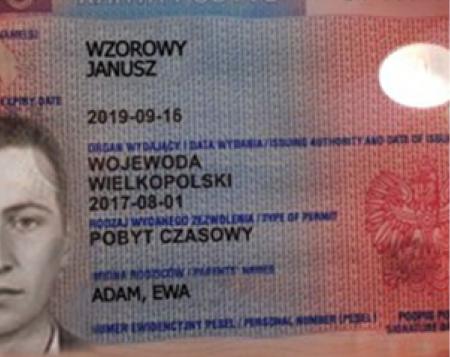 بطاقة الإقامة المؤقتة (trc)view
 -
 مهندس رئيسيview programs
 -
 علم الحياةview programs
 -
 عازب السياحة والسفرview programs
 -
 ماجستير إدارة الأعمالview programs
 -
 ماجستير في السفر والسياحةview programs
 -
 سيد الرعاية الصحيةview programs
 -
 أستاذ العلومview programs
 -
 ماجستير العلوم الإنسانيةview programs
 -
 بكالوريوس تسويق الأعمال التجاريةview programs
 -
بكالوريوس إدارة الأعمالview programs
-
ماجستير تكنولوجيا المعلوماتview programs
-
بطاقة الإقامة المؤقتة (trc)view
-
مهندس رئيسيview programs
-
علم الحياةview programs
-
عازب السياحة والسفرview programs
-
ماجستير إدارة الأعمالview programs
-
ماجستير في السفر والسياحةview programs
-
سيد الرعاية الصحيةview programs
-
أستاذ العلومview programs
-
ماجستير العلوم الإنسانيةview programs
-
بكالوريوس تسويق الأعمال التجاريةview programs
-
بكالوريوس إدارة الأعمالview programs
-
ماجستير تكنولوجيا المعلوماتview programs
-
بطاقة الإقامة المؤقتة (trc)view
-
مهندس رئيسيview programs
-
علم الحياةview programs
-
عازب السياحة والسفرview programs
-
ماجستير إدارة الأعمالview programs
-
ماجستير في السفر والسياحةview programs
-
سيد الرعاية الصحيةview programs
-
أستاذ العلومview programs
-
ماجستير العلوم الإنسانيةview programs
-
بكالوريوس تسويق الأعمال التجاريةview programs
سفرك
هذا العرض متاح لك - أينما كنت الآن. إنه متاح لك سواء كنت في بلدك الأم، أو مسافراً إلى الخارج أو موجوداً بالفعل في بولندا. يمكنك التعامل مع جميع الإجراءات الرسمية عبر الإنترنت، أو عبر البريد، أو من خلال زيارة أحد مكاتبنا أو أثناء الاستشارات الفردية في مدينتك. يُرجى الاتصال بنا وسنجد بالتأكيد خياراً مناسباً لك.

أنا في بلدي الأم ومستعد للدراسة في بولندا! تعرّف على كيفية السفر إلى بولندا في 9 خطوات، بما في ذلك عملية الحصول على التأشيرة والوثائق الأساسية اللازمة لتقديم طلب ناجح.
-
1
تواصل معنا
تواصل معنا
في هذه الأيام، أصبح التواصل معنا سهلاً للغاية. يمكنك التواصل معنا بعدة طرق: قم بزيارة أحد مكاتب شركائنا في Think Poland، أو اتصل بنا، أو تواصل معنا على Skype، أو أرسل لنا بريداً إلكترونياً. نحن هنا للإجابة على جميع أسئلتك، وستتلقى رداً منا في غضون 24 ساعة. هل تفضل الدردشة وجهاً لوجه؟ لا مشكلة! يمكننا إعداد استشارات فردية مجانية لك فقط. ليس لديك مكتب Think Poland في مدينتك؟ لا بأس بذلك! نحن نستضيف بانتظام لقاءات واستشارات فردية في مدن مختلفة. فقط راقب موقعنا الإلكتروني وتابعنا على فيسبوك للاطلاع على التحديثات. بالإضافة إلى ذلك، فإن "Think Poland" هي الجهة المنظمة للفعاليات التي تدور حول السفر إلى بولندا. إنها فرصة رائعة لمعرفة المزيد عن الدراسة والعمل والانتقال واستكشاف بولندا.
اتصل بنا الأخبار الفعاليات فيسبوك -
2
العروض
سنجد لك العرض المثالي لك
هل تفكر في الدراسة في الخارج؟ هل تريد السفر لفترة قصيرة أو البقاء لفترة أطول قليلاً؟ لقد قمنا بتغطيتك! يتضمن عرضنا مجموعة متنوعة من البرامج الدراسية التي يمكن دمجها بسهولة مع خيارات العمل بدوام جزئي، وذلك حسب تفضيلاتك وميزانيتك وأهدافك في السفر. نحن الشركة الوحيدة في سوق التعليم التي تقدم مثل هذا البرنامج المتقدم، بالإضافة إلى متصفح خدمة فريد من نوعه لمساعدتك في العثور على ما تحتاجه بالضبط.
دورات اللغة الجامعات عروض الإقامة -
3
عرض أسعار سريع
احصل على عرض أسعار في 1 دقيقة
سجّل الدخول إلى موقعنا الإلكتروني، وانتقل إلى متصفح البرامج، وابحث عن البرنامج المناسب لك. احصل على عرض أسعار واحد أو أكثر ببضع نقرات فقط! سترى عدد عروض الأسعار في أيقونة عرض الأسعار في أعلى اليمين وفي سلة التسوق الخاصة بك. يمكنك حساب تكاليف برنامج واحد أو أكثر تحت تأشيرة طالب واحد - بل يمكنك إنشاء حزمة. على سبيل المثال، اجمع بين دورتي لغة أو دورة لغة مع برنامج للحصول على درجة علمية. يمكنك أيضاً إضافة خدمات مثل الإقامة أو التأمين. ويمكنك إعادة حساب التكاليف ومقارنتها مجاناً، حتى تحصل على فكرة واضحة عن نفقاتك. هل لديك أسئلة؟ اتصل بنا أو أرسل لنا بريداً إلكترونياً أو قم بزيارتنا - سنعاود الاتصال بك أيضاً!
اقتباس -
4
تطبيق الوحدة
خدماتنا تنافسية
مع وجود الإنترنت في متناول يدك، يمكنك التخطيط لرحلتك على هاتفك المحمول أو جهازك اللوحي. يعرف الكثير من الأشخاص الذين يتوجهون إلى بولندا ما يريدونه بالفعل، ويقارنون بين العروض، ويتحققون من المعلومات على وسائل التواصل الاجتماعي. نحن نهتم بالتأقلم، لذلك نوفر لك اتصالاً متعدد القنوات. يمكنك التعامل مع خطط سفرك وإجراءاتك الرسمية عبر الإنترنت أو اتباع الطريقة التقليدية - الأمر متروك لك! عرضنا غني وشفاف، وهو العرض الوحيد من نوعه في السوق، مما يتيح لك الكثير من الخيارات للاختيار من بينها. سيتم تأكيد جميع اتفاقياتنا في وثيقة رسمية، مما يضمن لك الوفاء بجميع وعودنا. إذا لزم الأمر، سنقوم بإرشادك خلال عملية الاعتراف بالوثائق (nostryfikacacja)، حتى يتم قبول مؤهلاتك في بولندا. المدفوعات؟ يمكنك الاعتناء بها عبر الإنترنت أيضاً، وسنساعدك في العثور على أفضل طريقة دفع مناسبة لك.
-
5
دعم التأشيرة
نساعدك في تقديم طلب التأشيرة
هذا جزء أساسي من تنظيم رحلتك. يتطلب تقديم طلب الحصول على تأشيرة دخول إلى بولندا بعض التحضير، وقد يستغرق بعض الوقت. بمساعدة شركائنا المحليين، سنساعدك في جمع كل المستندات اللازمة وملء استمارة طلب التأشيرة. سنقوم أيضاً بتجهيزك لمقابلة التأشيرة للتأكد من أن كل شيء يسير بسلاسة. منذ عام 2009، اكتسبنا الكثير من الخبرة، ولدينا واحد من أعلى معدلات النجاح في الموافقة على التأشيرات. والجزء الأفضل؟ المساعدة في طلب التأشيرة مشمولة في خدمتنا بدون أي تكلفة إضافية!
تأشيرة الطالب -
6
الرحلة
بعد حصولك على التأشيرة
ستتمكن من تنزيل معظم المستندات التي تحتاجها قبل السفر مباشرةً من نظامنا. سنرسل لك حزمة معلومات ما قبل المغادرة عبر البريد الإلكتروني، أو يمكنك الحصول عليها من مكتبنا الشريك. يعرف فريقنا بولندا عن كثب، ويسعدنا أن نشاركك خبرتنا ونجيب عن أي أسئلة قد تكون لديك. عند وصولك، ستحصل أيضاً على باقة ترحيبية من برنامج Think Poland، مع رقم هاتف بولندي. والأهم من ذلك، ستحصل على جميع تفاصيل الاتصال التي تحتاجها للبقاء على اتصال معنا منذ لحظة وصولك وطوال فترة إقامتك، بغض النظر عن المدينة التي تتواجد بها.
خدمات ما بعد الوصول -
7
الإقامة وبطاقة الإقامة المؤقتة
الوصول والإقامة
لقد حصلت على تذكرة الطائرة، وأعلمتنا بتاريخ وصولك. إذا كنت قد حجزت مكان الإقامة من خلالنا، فلا تقلق بشأن الوصول إلى هناك - فنحن نتولى أمرك! بغض النظر عن نوع الإقامة التي اخترتها، فإن جزءاً من خدمتنا هو اصطحابك والتأكد من وصولك بأمان. سواءً كنت قادماً بالقطار أو بالطائرة، سيكون مندوبنا في انتظارك في المطار أو محطة القطار حاملاً لافتة Think Poland، وعلى استعداد لاصطحابك إلى مكانك الجديد.
كما أننا نتولى أيضاً تقديم طلب الحصول على بطاقة الإقامة المؤقتة (TRC) نيابةً عنك، لذلك لا داعي للقلق بشأن الأوراق المطلوبة. بغض النظر عن المدينة التي تختار الإقامة فيها، سيقوم أحد أفراد فريقنا بإرشادك خلال جولة تعريفية لمساعدتك على التنقل في المدينة، واستخدام وسائل النقل العام، والعثور على أفضل الأماكن للتسوق. نحن نقدم المشورة القانونية، والدعم الهاتفي في حالات الطوارئ، ونساعدك في جميع الإجراءات اللازمة بمجرد وصولك إلى بولندا.
خدمات ما بعد الوصول الإقامة -
8
دعم 7/24 7/24
مكتب متعدد اللغات في وارسو
نحن أول شركة تفتح مكتباً متعدد اللغات للطلاب على مدار العام في قلب وارسو. في مكتبنا، يمكنك استخدام أجهزة الكمبيوتر، والإنترنت، وآلة التصوير، والماسح الضوئي. يمكنك حتى استخدام مكتبنا كعنوان بريدي أثناء وجودك في بولندا! يكرس فريقنا المكون من أكثر من 15 شخصاً جهوده لمساعدة الطلاب بلغتهم الأم، مع الحرص على أن تشعر بالدعم طوال فترة إقامتك.
نحن هنا للإجابة على جميع أسئلتك وضمان انتقالك السلس للحياة في بولندا.
مكتبنا في وارسوفعاليات الاندماج -
9
العمل
المساعدة في العمل
أثناء الدراسة في بولندا، يمكنك أيضاً العمل بشكل قانوني. وهذا لا يساعدك في تغطية نفقاتك اليومية فحسب، بل يمنحك أيضاً فرصة رائعة للتعرف على أشخاص جدد واستكشاف البلد أكثر. عادةً لا يكون العثور على وظائف طلابية نموذجية أمراً صعباً للغاية. تشمل الوظائف الشائعة للطلاب مدرس لغة، أو نادل/نادلة، أو ساقي، أو جليسة أطفال، أو بائع، أو عامل نظافة. بالنسبة لمعظم هذه الوظائف، غالباً ما تكون المعرفة الأساسية باللغة البولندية مطلوبة.
إذا كنت لا تتحدث البولندية بعد، سيساعدك برنامج Think Poland في العثور على دورة أساسية في اللغة البولندية والتسجيل فيها، مما سيحسن فرصك في العثور على وظيفة. ضع في اعتبارك أننا لسنا وكالة توظيف، ومساعدتنا معلوماتية بحتة، استناداً إلى معرفتنا بسوق العمل المحلي. يجب أن تكون الشركات المتخصصة في عرض الوظائف مسجلة في **السجل الوطني لوكالات التوظيف (KRAZ)** ويجب أن تركز على هذا المجال تحديداً. من الجيد أيضاً أن تتحقق من المواقع الإلكترونية المتخصصة في عروض العمل للأجانب الذين لا يتحدثون البولندية.
العمل في بولندا
أنا في بولندا وأحتاج إلى تمديد إقامتي القانونية. اكتشف 5 خطوات للتقديم على بطاقة الإقامة المؤقتة (TRC) أو التسجيل في برنامج جديد.
-
1
لا تتردد في السؤال
هل أنت بالفعل في بولندا وتخطط للبقاء لفترة أطول؟
مرحباً! إذا كنت موجوداً حالياً في بولندا وتفكر في البقاء لفترة أطول، فلدينا بعض المعلومات المهمة لك. سواء كنت تنظم رحلتك بشكل مستقل، أو معنا، أو مع أصدقائك، فإن السعي لتحقيق أهدافك هو ما يهمك حقاً.
الإقامة في بولندا عملية معقدة ومتعددة الخطوات تتطلب دعم فريق من ذوي الخبرة. بغض النظر عن نوع التأشيرة التي تحملها أو مكان تواجدك في بولندا، يمكنك دائماً التواصل مع مكتبنا في وارسو. نحن هنا لمساعدتك! نحن نقدم لك المشورة، والدعم، وأفضل الحلول لموقفك.
تشمل عمليتنا بطاقة الإقامة المؤقتة (TRC) ومسار واضح لتقديم المستندات اللازمة. لا تتردد في الاتصال بنا ومعرفة كيف يمكنك مواصلة رحلتك في بولندا!
مكتبنا فيوارسوحدث الاندماج -
2
اقتباس
سجّل الدخول للتحقق من الأسعار لبلدك
نحن نتفهم ما يعنيه أن تكون طالباً في الخارج. فأنت مشغول بالدراسة والعمل وتكوين الصداقات ومحاولة استكشاف كل ما تقدمه بولندا. ومع الوقت المحدود المتبقي لك، لا يزال عليك إيجاد الوقت للتقدم بطلب للحصول على تصريح إقامة مؤقتة إذا كنت ترغب في تمديد إقامتك كطالب.
لمساعدتك في تحقيق أقصى استفادة من تجربتك، يمكنك استخدام قاعدة بيانات البرامج والمتصفح الخاص بنا، حيث ستجد مجموعة متنوعة من الخيارات. ابحث عن البرنامج الذي يناسبك وأضفه إلى عرض أسعارك. يمكنك أيضاً دمج الدورات والبرامج في حزم، مثل دورة لغة بالإضافة إلى برنامج للحصول على شهادة جامعية، أو تضمين خدمات إضافية مثل الإقامة والتأمين.
سنتحقق من مدى توفر الدورة أو البرنامج الذي اخترته، وإذا لم يكن متاحاً، سنقترح بدائل مماثلة. إذا كانت لديك أي أسئلة، فقط أخبرنا! لدينا معرفة واسعة بجميع المدارس والجامعات، وبفضل توصيات طلابنا، نحن متحمسون لمشاركة هذه الخبرة معك.
سجل الدخولإلى حسابكعبر الفيسبوك -
3
الدفع بالتقسيط
سنتولى جميع الإجراءات نيابةً عنك مجاناً.
بينما تقرر أنت أفضل دورة تدريبية أو برنامج يناسب احتياجاتك، فإن استشاراتنا المجانية وتوليد عروض الأسعار تأتي بدون أي التزام بالدفع. يمكن أن يختلف نوع المستندات المطلوبة لعملية تقديم الطلب وخطة الدفع حسب المدرسة التي تختارها.
نحن هنا لمساعدتك في اختيار المدرسة التي تتناسب مع تفضيلاتك وقدراتك المالية. سنخبرك ما إذا كان الدفع مستحقاً لكل فصل دراسي أو سنوياً، وسنوضح لك العوامل التي تؤثر على ذلك. في بعض الحالات، قد يكون من الممكن أيضاً الدفع بالتقسيط، وسنرشدك إلى كيفية إعداد ذلك. بالإضافة إلى ذلك، ستتمكن من سداد الرسوم الدراسية مباشرة إلى حساب الجامعة. -
4
تأشيرة الطالب وعملية TRC
نحن نساعدك في عملية TRC
هذه مرحلة حاسمة في تنظيم سفرك. تتطلب عملية بطاقة الإقامة المؤقتة (TRC) في بولندا إعداداً دقيقاً، وقد تستغرق بعض الوقت. سوف نساعدك على جمع جميع المستندات الداعمة اللازمة وملء استمارة طلب الحصول على بطاقة الإقامة المؤقتة.
يعمل فريقنا متعدد اللغات المكون من 15 متخصصاً على دعم الطلاب منذ عام 2009، حيث يتمتع بخبرة تزيد عن 15 عاماً لضمان حصولك على أفضل مساعدة ممكنة. كما سنقوم أيضاً بإعدادك لمقابلة TRC لضمان سير كل شيء بسلاسة. وبفضل سجلنا الحافل بالمعدلات الإيجابية العالية في اتخاذ القرارات، يمكنك الوثوق بنا لإرشادك خلال كل خطوة.
بطاقة إقامة الطلاب -
5
تنبيهات الوظائف
ما هي الخطوة التالية؟
تهانينا على انضمامك إلى برنامج "Think Poland"! نحن نقطة معلوماتك الأساسية كلما احتجت إلى مساعدة، بما في ذلك الدعم الوظيفي. نرحب بك أيضاً للانضمام إلى فعاليات الاندماج المنتظمة، والتي تشمل مجموعة متنوعة من الأنشطة المصممة لمساعدتك على التواصل مع الطلاب الآخرين والانغماس في الثقافة البولندية.
ننظم مباريات كرة قدم مثيرة وتجمعات اجتماعية ونزهات ثقافية والعديد من الفعاليات الأخرى لجعل تجربتك في بولندا ممتعة ولا تنسى. هذه الأنشطة طريقة رائعة لمقابلة أصدقاء جدد، وممارسة لغتك البولندية، واكتشاف المجتمع النابض بالحياة من حولك. بالإضافة إلى ذلك، يمكن لخدمات الدعم الوظيفي لدينا مساعدتك في الإبحار في سوق العمل المحلي، وتقديم الإرشادات بشأن العثور على الفرص التي تناسب مهاراتك واهتماماتك. ابقَ مشاركاً واستفد من وقتك هنا إلى أقصى حد!"
اتصل بنا
-
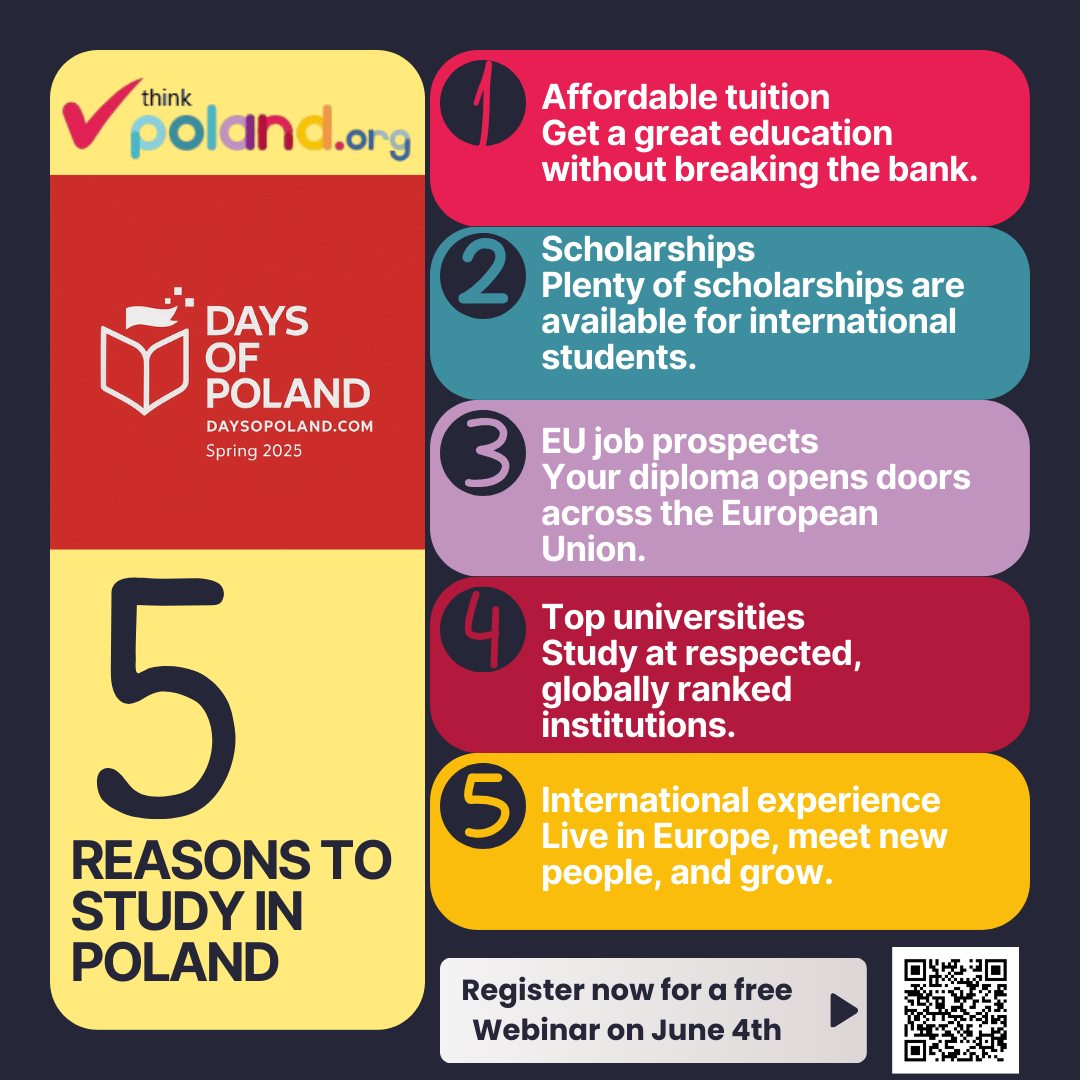 Niskie koszty?
26 / 5 / 2025
-
 On this special day, we would like to wish all Mothers a happy Mother's Day!
26 / 5 / 2025
-
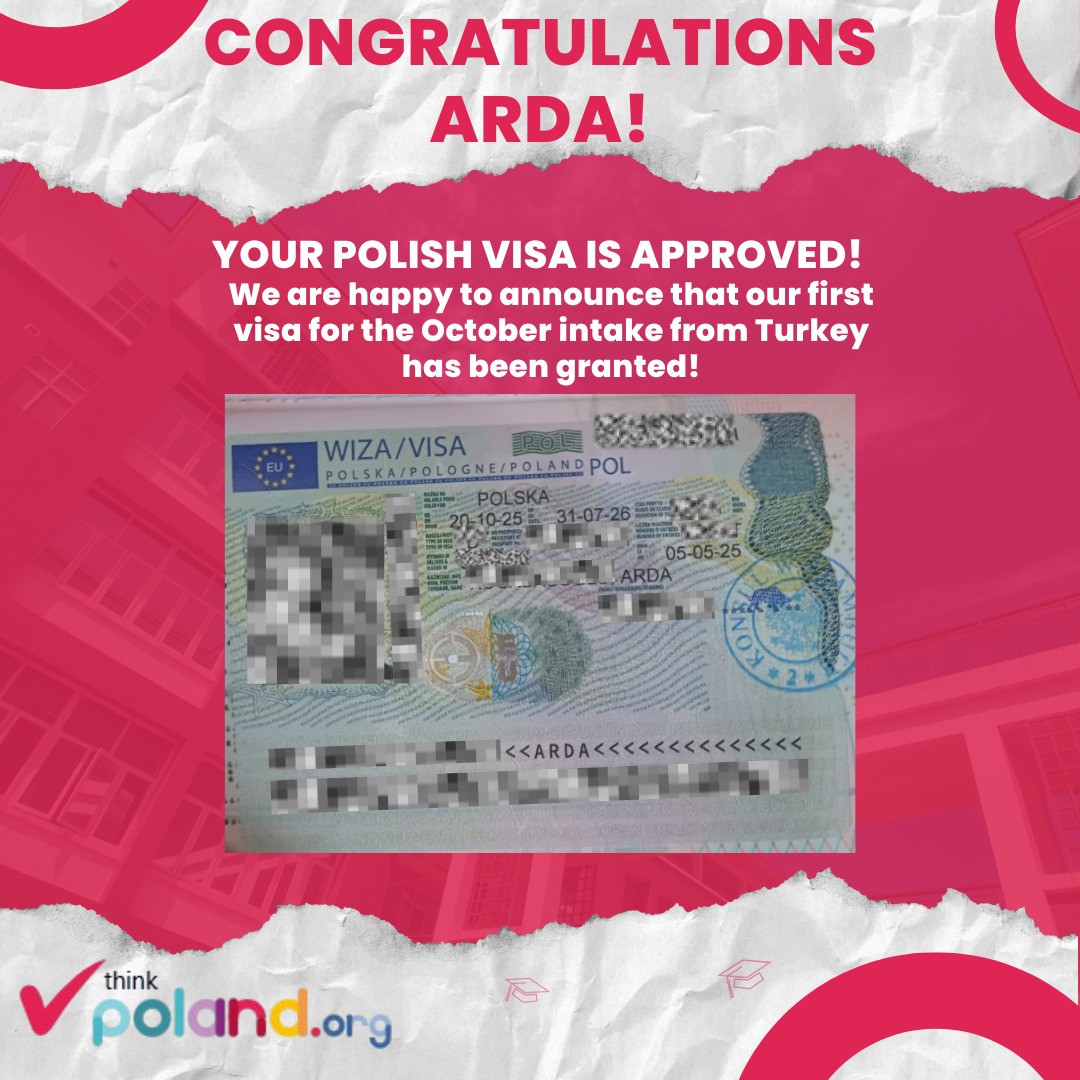 Congrats, Arda! Your Polish adventure begins!
21 / 5 / 2025
-
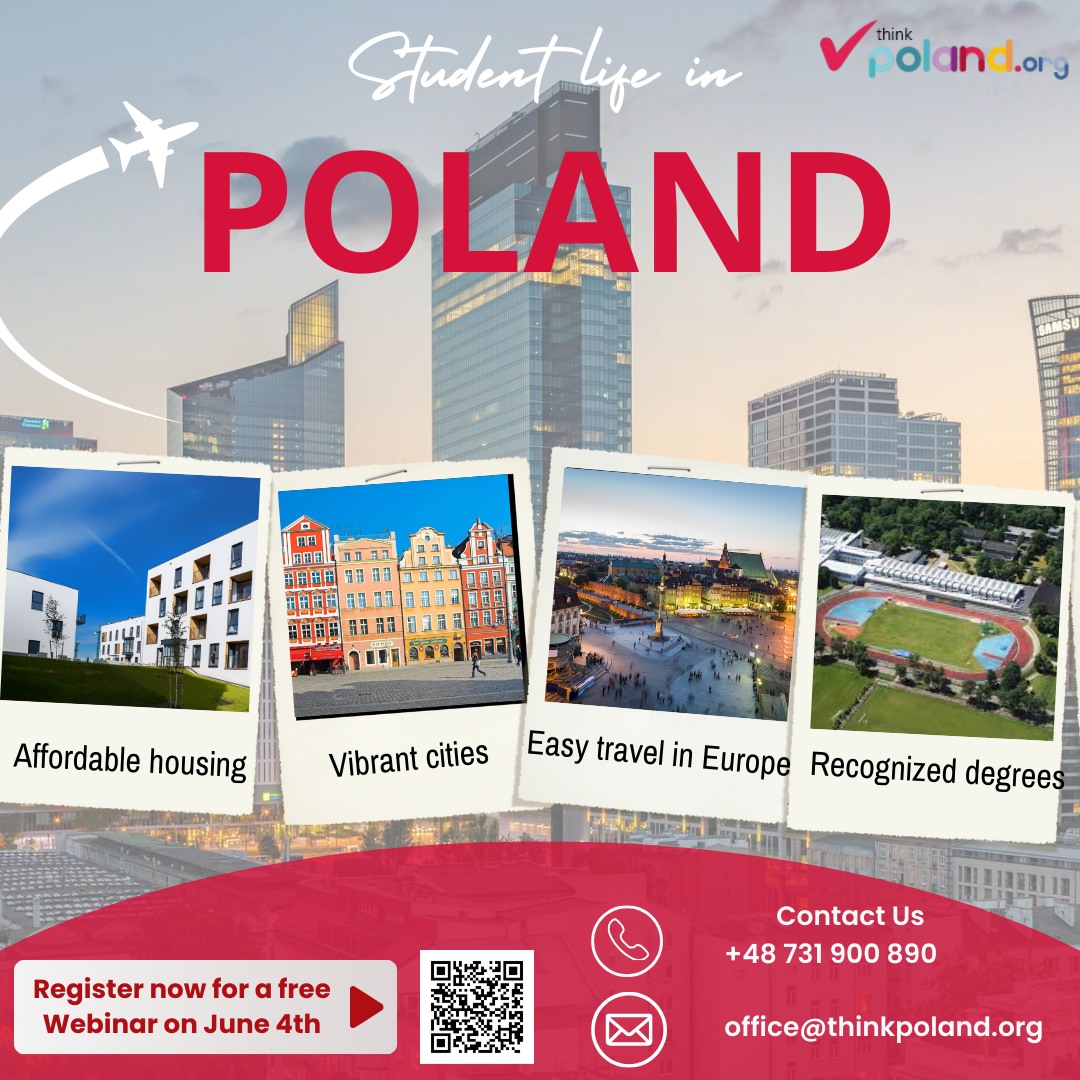 Mieszkasz w akademiku, zwiedzasz Europę, masz dyplom uznawany na świecie.
19 / 5 / 2025
-
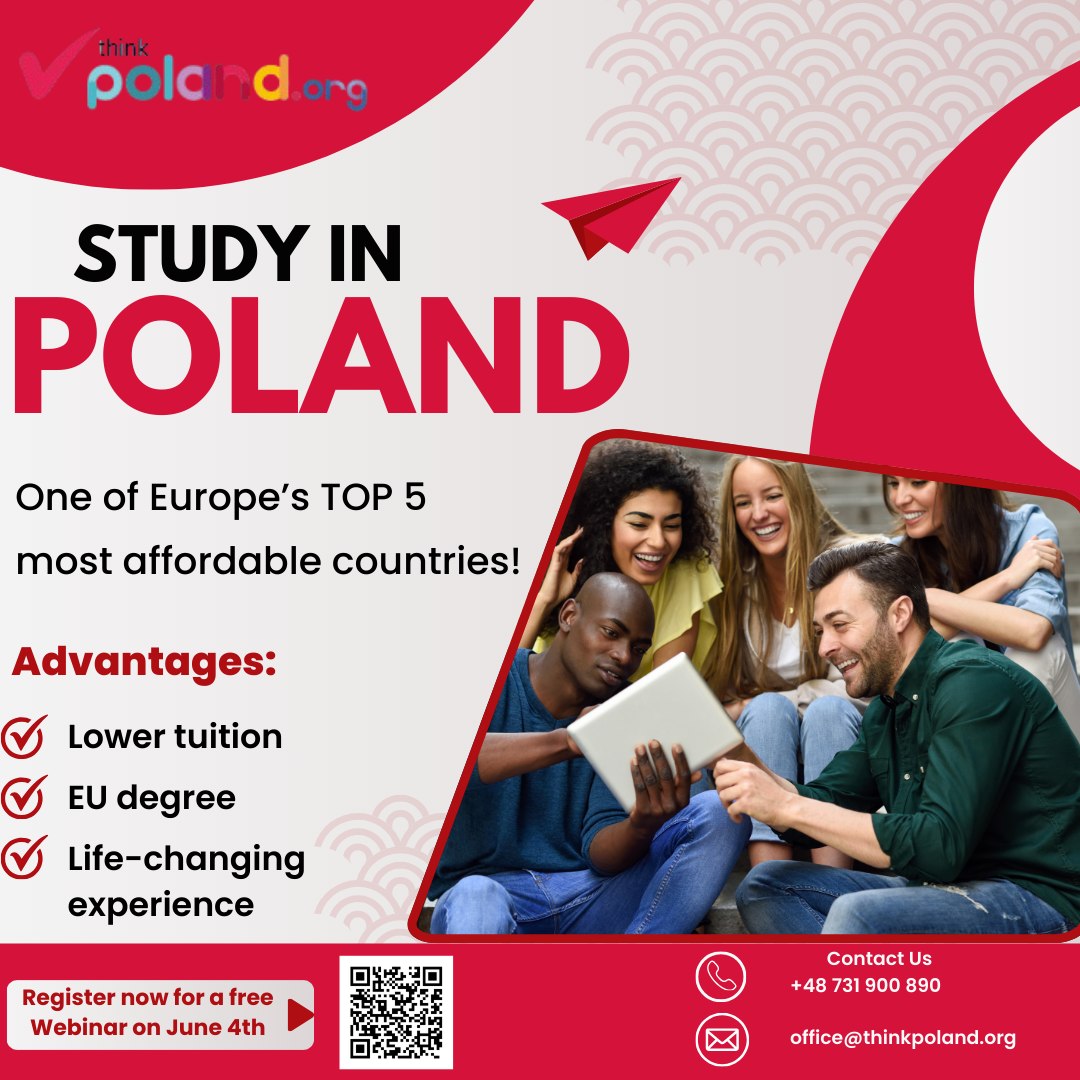 Studiuj w sercu Europy za ułamek kosztów! Polska to jedno z 5 najtańszych państw do studiowania....
16 / 5 / 2025
-
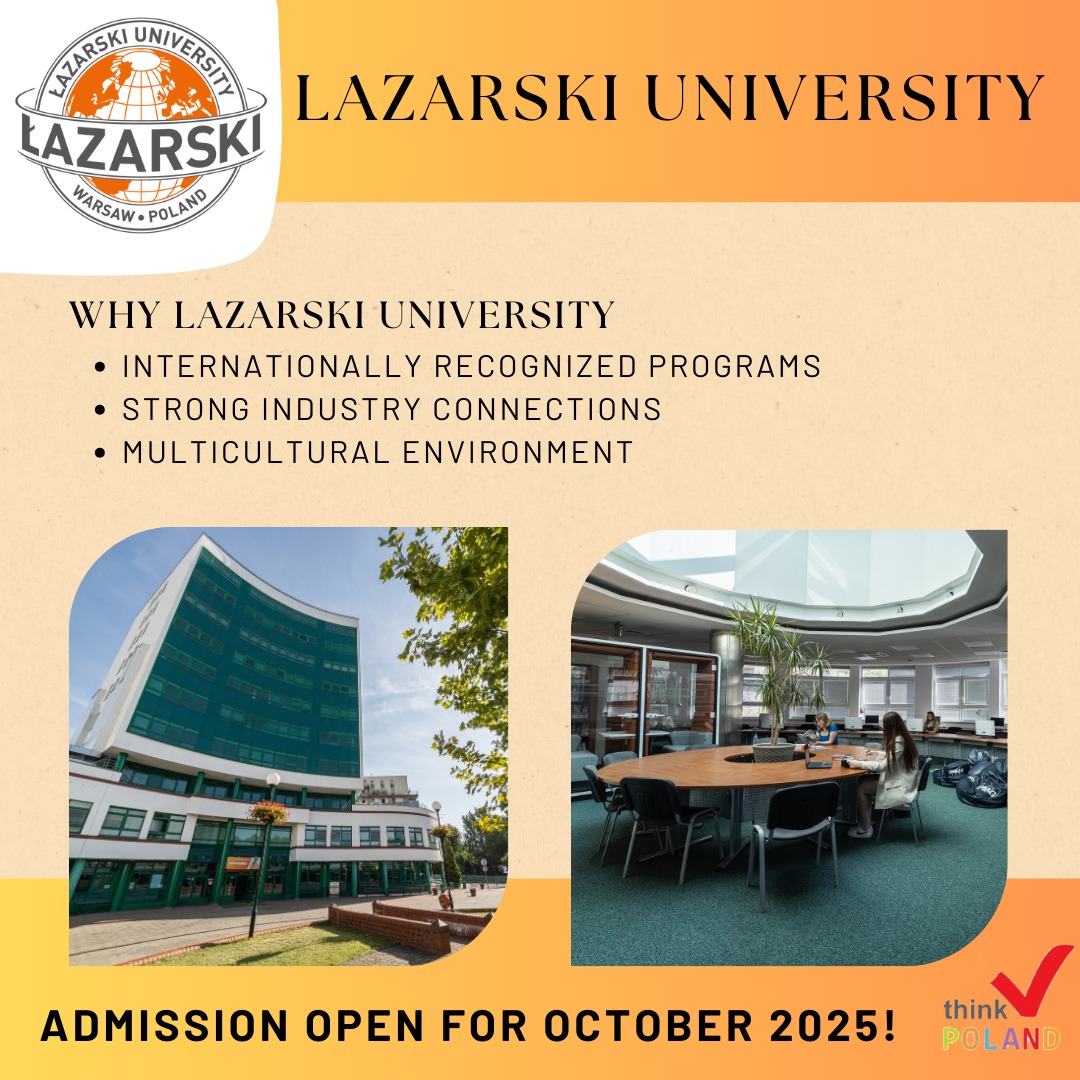 Lazarski University offers internationally recognized programs in business, law, and economics,...
7 / 5 / 2025
-
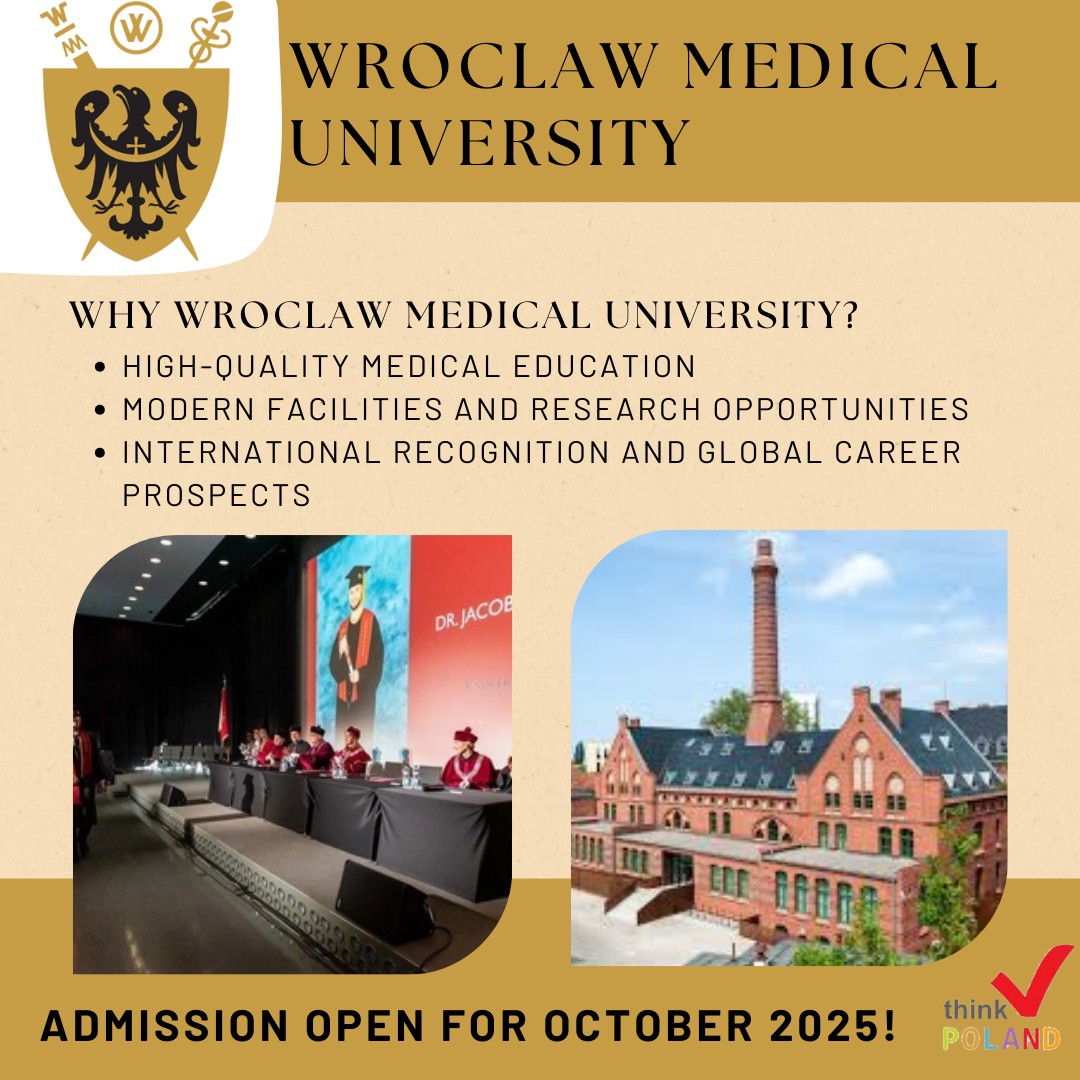 Wroclaw Medical University offers top-tier medical programs that ensure a solid foundation...
6 / 5 / 2025
-
 Our office will be closed on Fisrt May (Thursday), but we'll be happy to assist you upon our...
30 / 4 / 2025
-
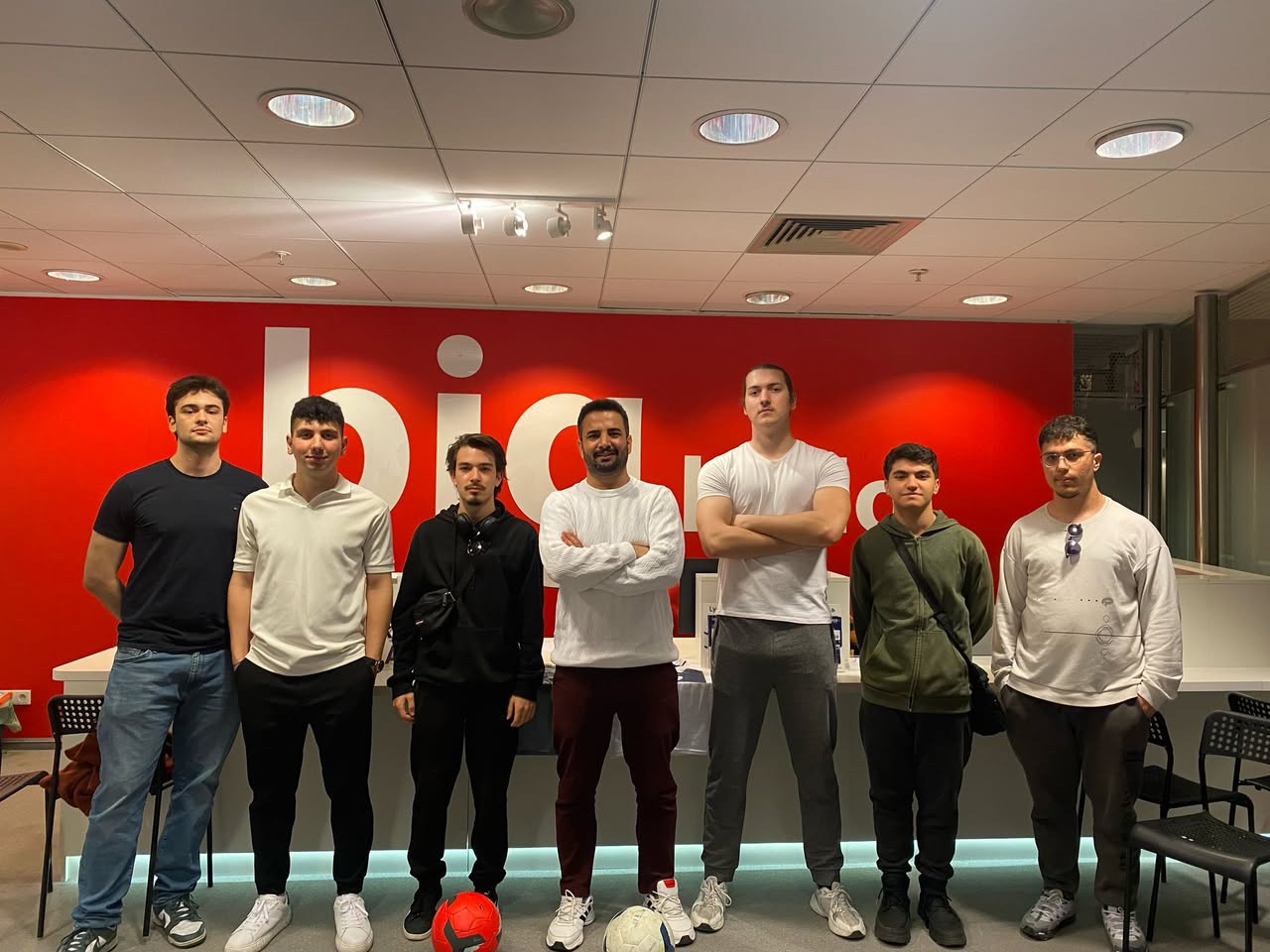
 ⚽🔥 Meet the stars of yesterday's football tournament!
28 / 4 / 2025
-
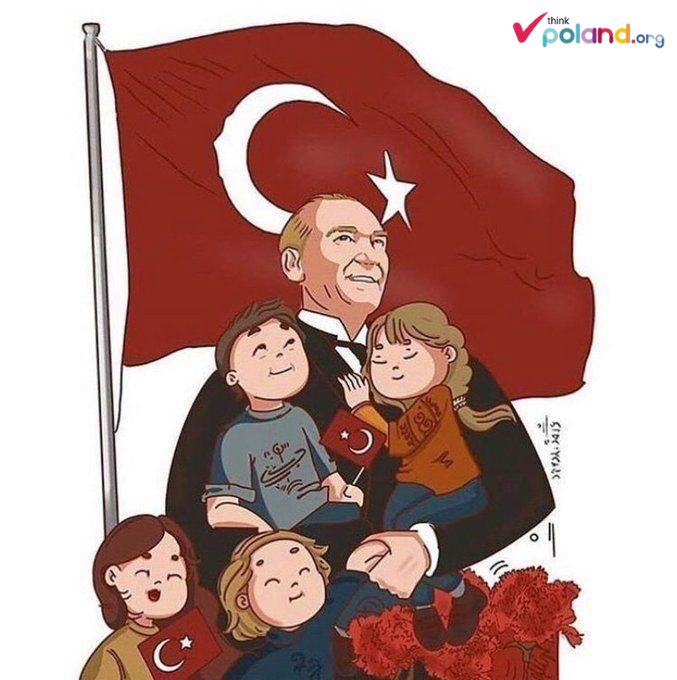 April 23rd marks a very special day in Turkey — National Sovereignty and Children’s Day.
23 / 4 / 2025
-
 🎉⚽ Think Poland Prep School Cup is back! 🏆🎉
22 / 4 / 2025
-
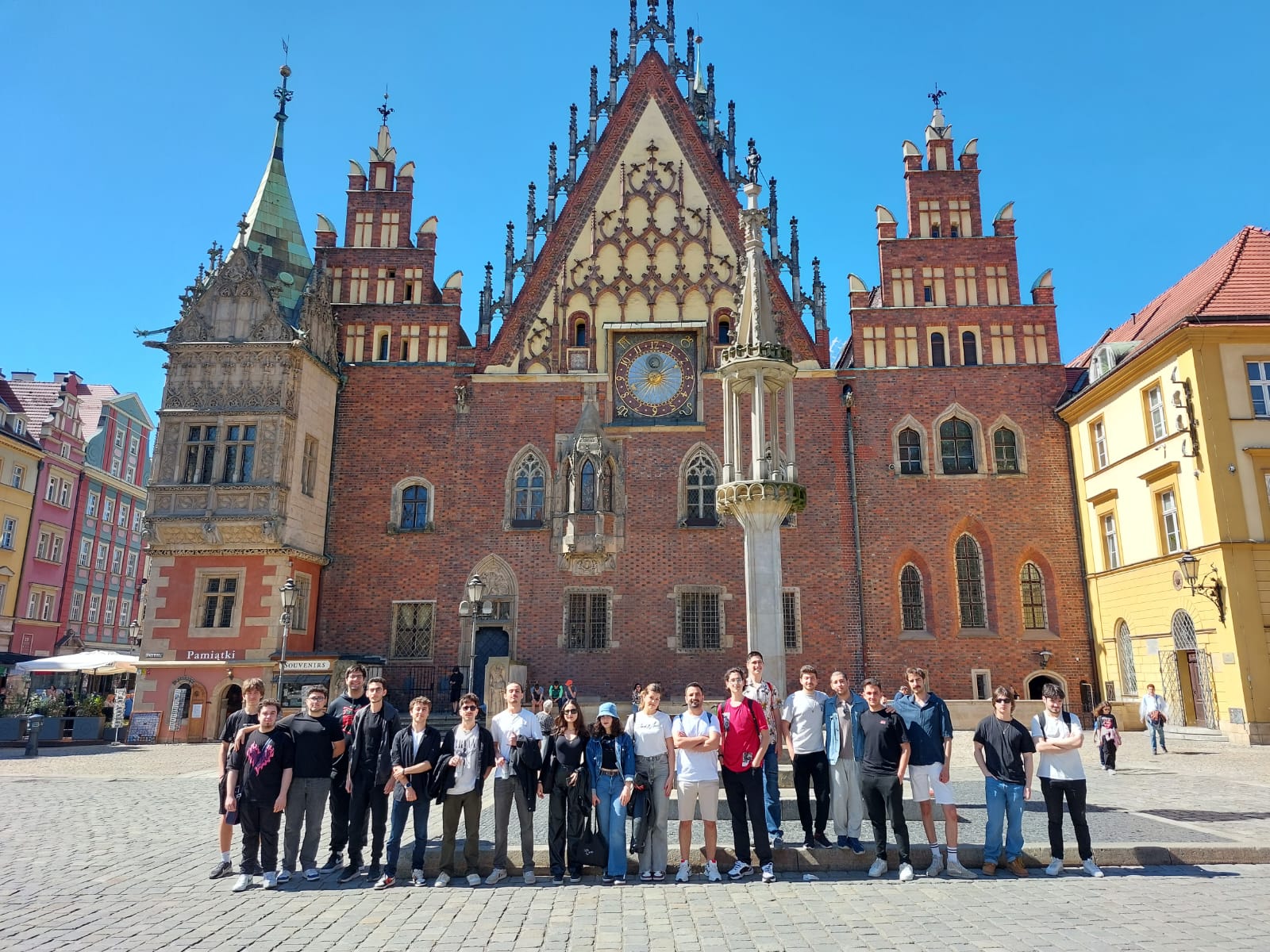 Not everyone wants to study in Warsaw, the capital city of Poland.
22 / 4 / 2025
-
 Easter Blessings to You and Yours!
17 / 4 / 2025
-
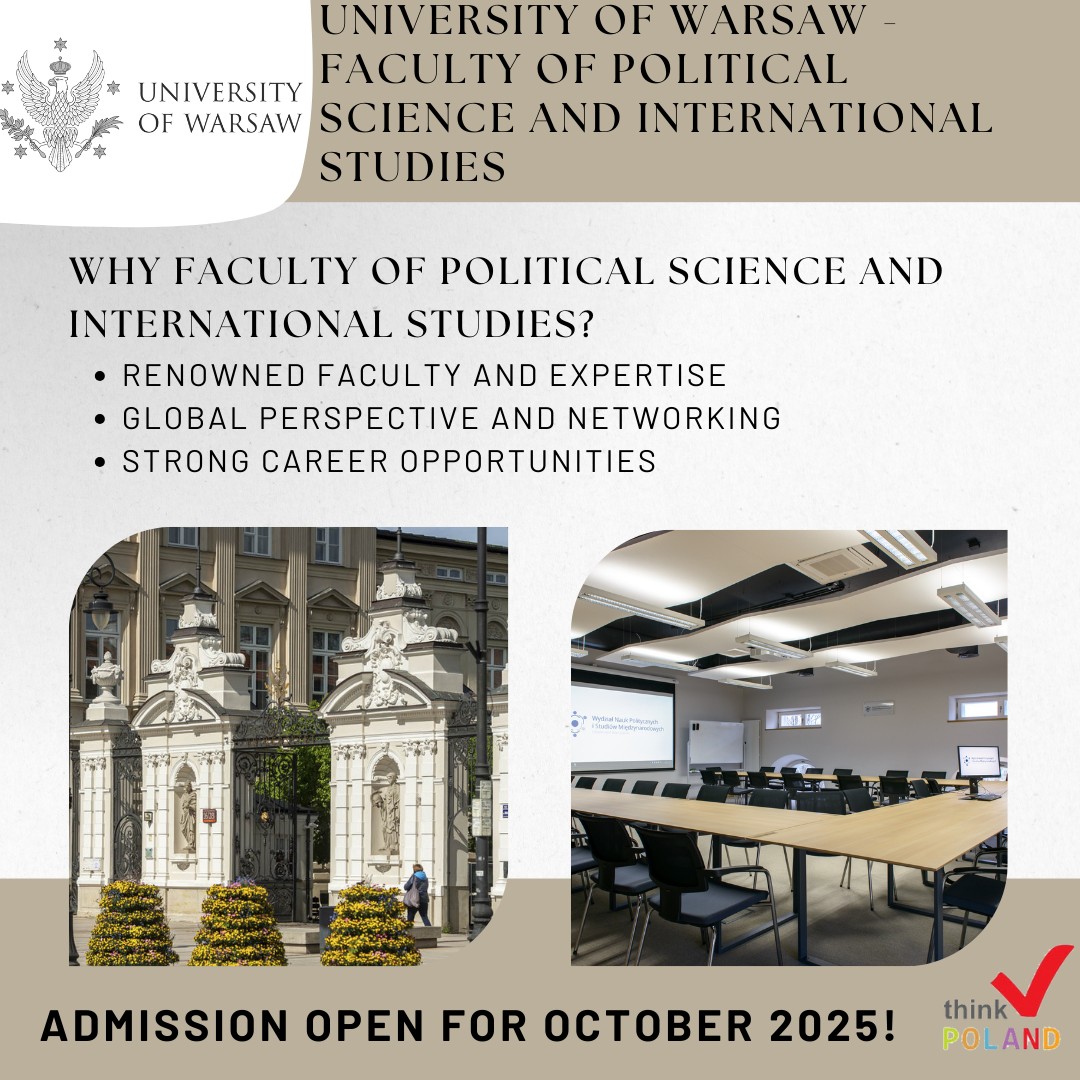 The University of Warsaw’s Faculty of Political Science offers expert-led programs in political...
15 / 4 / 2025
-
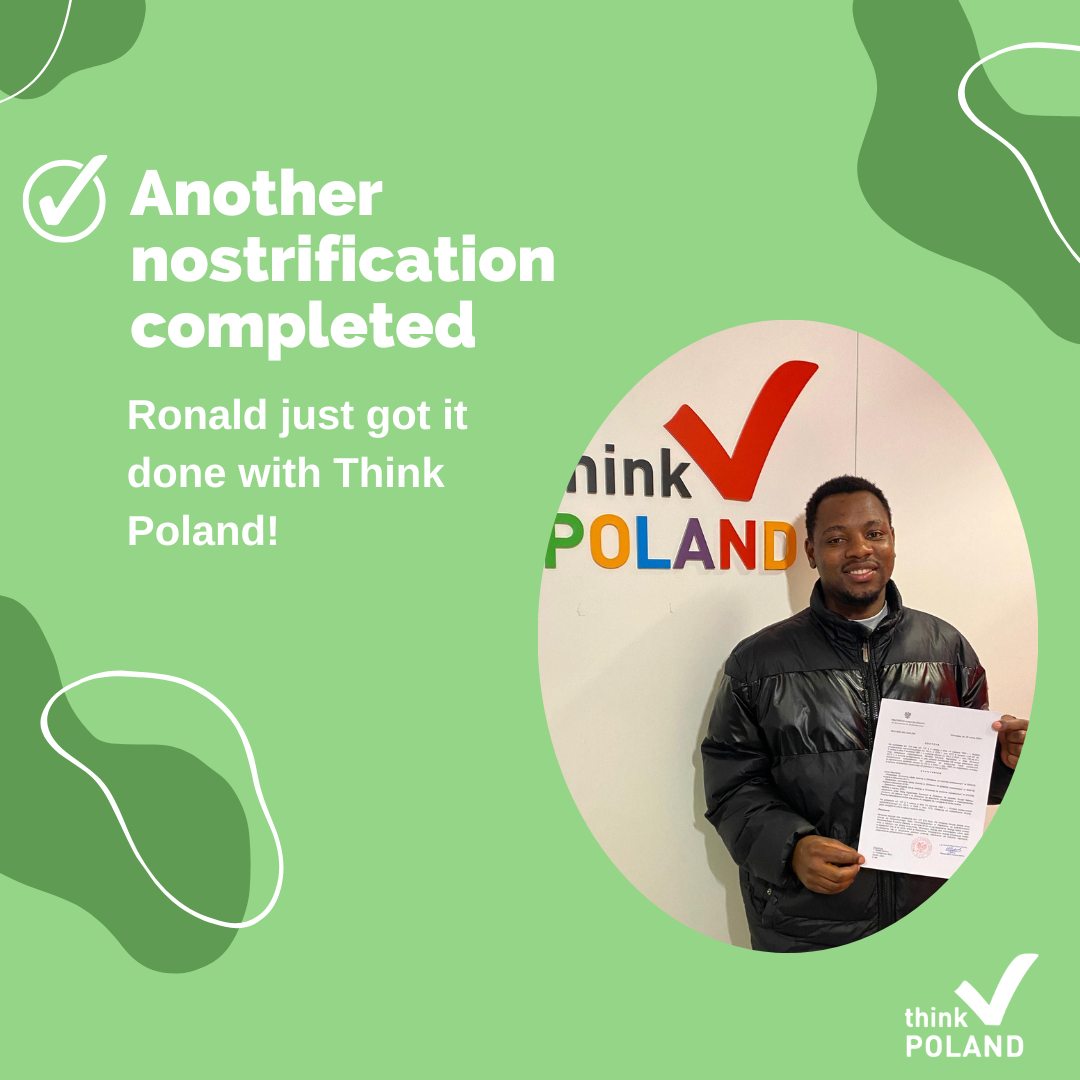 They received their nostrification with Think Poland!
11 / 4 / 2025
-
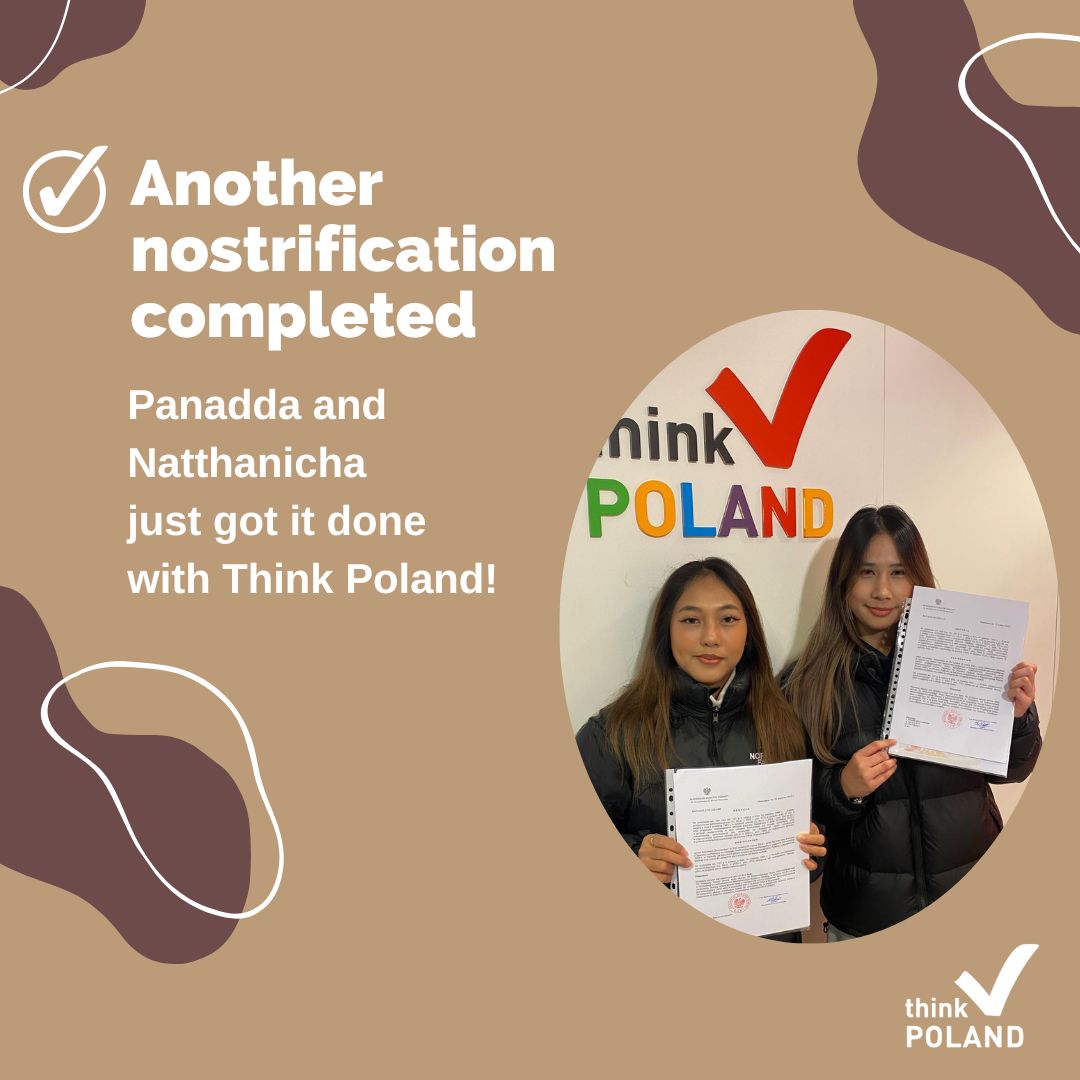 They received their nostrification with Think Poland!
9 / 4 / 2025
-
 Think Poland wishes all our students fast Wi-Fi, all deadlines disappear and professors forget...
2 / 4 / 2025
-
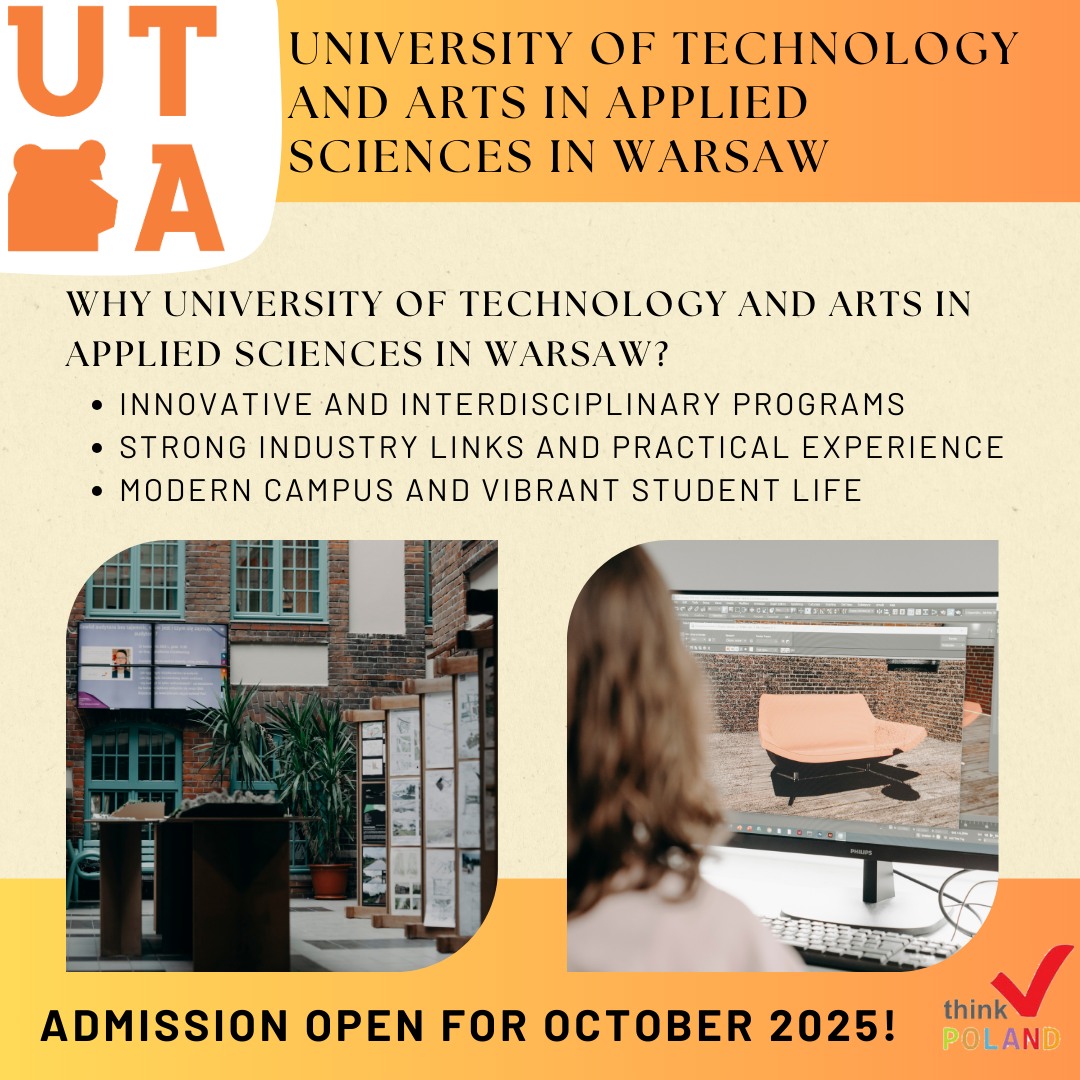 The University of Technology and Arts in Applied Sciences in Warsaw offers a unique educational...
26 / 3 / 2025
المراجعات التي تم التحقق منها

Selamlar! Normalde danışmanlık yapan şirketler belli işleri yaptıktan sonra öğrencilerle fazla ilgilenmezler fakat Think Poland bu yargımı tam anlamıyla kırdı. Gerek havaalanı karşılamasından gerek kalacağımız yerlere eşlik edilmesinden,banka hesabı açma,oryantasyon,kayıt işlemleri,sağlık sigortası,oturum izni...Her türlü konuda inanılmaz yardımcı oluyorlar.Mail ve mesaj yoluyla hemen kendilerine ulaşabiliyor ve her konuda bilgi alabiliyorsunuz asla yarı yolda kalmıyorsunuz. Danışman olarak benimle alakadar olan Enes Bey gerçekten çok profesyonel ve işinizle alakalı her detayı sizinle anında paylaşıyor ve çok kibar

Polonya`ya geldiğimizde kalacağımız geçici yeri bulmaya ve hatta havaalanından oraya ulaşmaya, kalıcı yerimizi bulmaya, banka hesabı açmaya, telefon hattı almaya, aklınıza gelebilcek küçük ya da büyük ama çok temel olan her şeye çok yardımcı oldular. Daha sonrasında oturma kartı işlemlerimizde yardımcı oldular, okulla ilgili problemlerimize çözüm bulmaya çalıştılar. Özellikle şu günlerde aşı ile ilgili sorularımıza her zaman cevap veriyorlar. Think poland ekibinin yardımları yalnızca geldiğiniz ilk günlerde değil ihtiyaç duyduğunuz her anda oluyor.

Really good and professional organisation with nice people working in it. There are lot to uncover when it comes to end to end process of a student coming abroad and they do it with ease and effortless for us. They take ownership for the students and answer and help them to understand why and where the things are done rather than pushing us to do meaningless things like other student agencies. They provide extra care and support for those who needs it. Highly recommended and special mention to Marcin and Aylene for being absolutely amazing in the organisation :)

Think Poland took care of the procedure every day, even before I came to Warsaw. When I came to Warsaw, I had no worries because I knew that with Think Poland I would take care of everything. I would like to thank the whole Think Poland team, especially Murat Birlik and brother Melih. I don't know what I would have done without Think Poland. They are still more closely involved my procedure. Thanks to Think Poland, we made my university application and was accepted. Thank you again. I highly recommend Think Poland to everyone.

Thank you, Think Poland(TP) for your excellent service. I was given a brief walk-through of the entire process and TP professionals guided me with all the things I needed to do, and everything went extremely well. I did not even feel pressured and stressed out during the entire process. I was relieved from all the stress of processing and it was a smooth transition. I appreciate all your efforts and I’d highly recommend your service to others. Thanks, highly recommended.

An excellent educational consultancy service. They provided friendly and helpful service from the moment of my arrival in Poland until the last moment. Thanks to their professional help during my university application process, I started my education. After my university application, they always helped with issues such as accommodation and living in a new city etc. Thank you so much Think Poland!

An excellent educational consultancy service. They provided friendly and helpful service from the moment of my arrival in Poland until the last moment. Thanks to their professional help during my university application process, I started my education. After my university application, they always helped with issues such as accommodation and living in a new city etc. Thank you so much Think Poland!

Since I arrived in Warsaw, as a foreigner, I have been experiencing different problems every day. That is, until I met ThinkPoland. Thanks to the support and advice I received from them, I carried out all my work in a reliable, official and fast manner. The whole team is very friendly. I am especially grateful for Mr. Murat's attention. Thank you all for everything!

Very professional firm, I went there to get help with my Temporary residence card and my overall process was very smooth as I had zero difficulties. They explain every process in details. Highly recommended if you want to get Temporary residence card. Just go there and the rest they will handle for you.

Before I arrived, my head was filled with dozens of questions. How do I find a place to stay, how to handle school work, how can I get used to Poland etc. But since the minute my plane landed in Poland, they have helped me so much so I could easily adapt. I would like to thank the Think Poland team.

Daha önce bir çok danışmanlık şirketiyle çalışmış biri olarak söylüyorum çok kaliteli bir hizmet veriyorlar. Danışmanım Murat bey bütün süreçte bana yardımcı oldu ve titizlikle ilgilendi. Burdan tekrar teşekkür ederim. Kaliteli hizmet ve kaliteli iletişim.

I would like to thank them very much for always supporting me from the moment I stepped into Poland and I recommend their services to everyone. Also, I would like to thank Enes Bey and Aylin Hanım for their help about residence card process and enrollment to school.

I used their services for a semester and I am really satisfied. I did not even touch for registration and apply. I just signed and sent them. Especially I am greatful for Murat’s help, thank you guys for everything. Highly Recommend 👍🏼👍🏼👍🏼

Polonya`ya geldiğimden beri her konuda titizlikle yardım ederek buraya alışma sürecimi çok kolaylaştırdılar. Aynı zamanda şuan üniversite tercihlerim konusunda Murat Bey güzel tavsiyelerde bulunarak bana yardımcı olmuştur.

The staff here are enthusiastic, responsible, friendly and considerate. They can help you solve any problems you encounter. Being with them is like being with family. The atmosphere is very good. You will not regret choosing them.

I used their services for a semester and I am really satisfied. I did not even touch for registration and apply. I just signed and sent them. Especially I am greatful for Murat’s help, thank you guys for everything.

Çok başarılı ve gerçekten her konu da çok yardımcı oluyorlar herkese tavsiye ederim. Really friendly and nice place everyone was very helpful.💯

Many thanks to Think Poland specialty to Dr. Marcin Wysokiński for assisting my son to continue his studies in POLAND

these quys are quick fast and efficient .... i reccomend hundred percent.

they work very professionally, thanks especially to Mr. murat
ملهمة وآمنة



